
Health Insurance for Freelancers: Plans, Premiums, and Coverage Options Explained
Delving into the realm of Health Insurance for Freelancers: Plans, Premiums, and Coverage Options Explained, readers are invited to explore a well-crafted narrative that promises both depth of knowledge and originality.
The following paragraph will offer detailed insights into the topic at hand.
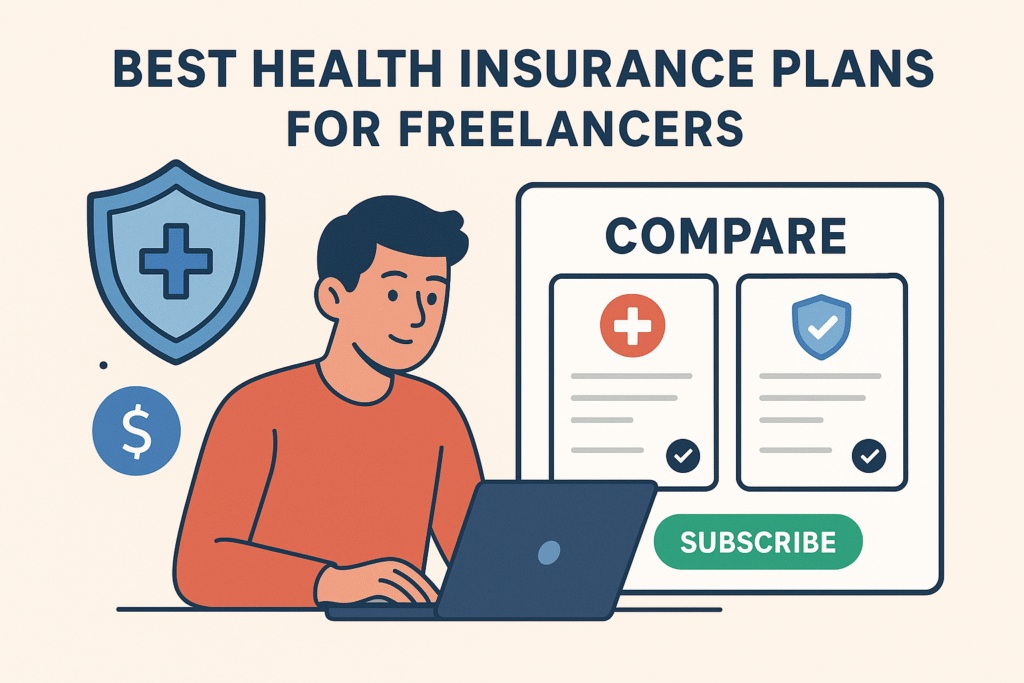
Health insurance for freelancers is a type of coverage that independent workers can purchase to help cover medical expenses. Unlike traditional employer-provided plans, freelancers are responsible for finding and funding their own health insurance.
Health insurance is crucial for freelancers as it provides financial protection in case of unexpected medical expenses. Without insurance, freelancers risk facing significant out-of-pocket costs for healthcare services, which can be financially devastating. Additionally, having health insurance ensures access to quality healthcare and preventive services, promoting overall well-being and productivity as a freelancer.
When it comes to health insurance plans for freelancers, there are several options to consider. Each type of plan has its own set of advantages and disadvantages, so it’s important to understand how they work and which one may be the best fit for your needs.
An HMO plan typically requires you to choose a primary care physician (PCP) who will coordinate all of your healthcare needs. You’ll need a referral from your PCP to see a specialist, and you’ll generally have to use healthcare providers within the HMO network.
HMO plans often have lower premiums and out-of-pocket costs, but they offer less flexibility when it comes to choosing healthcare providers.
With a PPO plan, you have more flexibility in choosing healthcare providers compared to an HMO. You can see specialists without a referral, both in and out of the PPO network. However, you’ll typically pay higher premiums and out-of-pocket costs compared to an HMO plan.
PPO plans are a good option if you want more freedom in selecting your healthcare providers.
HDHPs have lower premiums than traditional health insurance plans but come with higher deductibles. These plans are often paired with a Health Savings Account (HSA), which allows you to save money tax-free for medical expenses. HDHPs are a good choice if you’re generally healthy and don’t anticipate needing a lot of medical care.
An EPO plan is a hybrid of HMO and PPO plans. Like an HMO, you’re required to use healthcare providers within the EPO network, but you don’t need a referral to see a specialist. EPO plans typically have lower premiums than PPO plans but offer less flexibility in choosing providers.
Short-term health insurance provides temporary coverage for a limited period, usually up to 12 months. These plans are designed to fill gaps in coverage, such as during a job transition or while waiting for open enrollment. Short-term plans have lower premiums but may not provide comprehensive coverage like traditional health insurance.
Determining the right health insurance coverage as a freelancer is crucial to ensure you have the necessary protection for your healthcare needs without breaking the bank. Here’s how you can assess your healthcare needs and choose the right coverage:
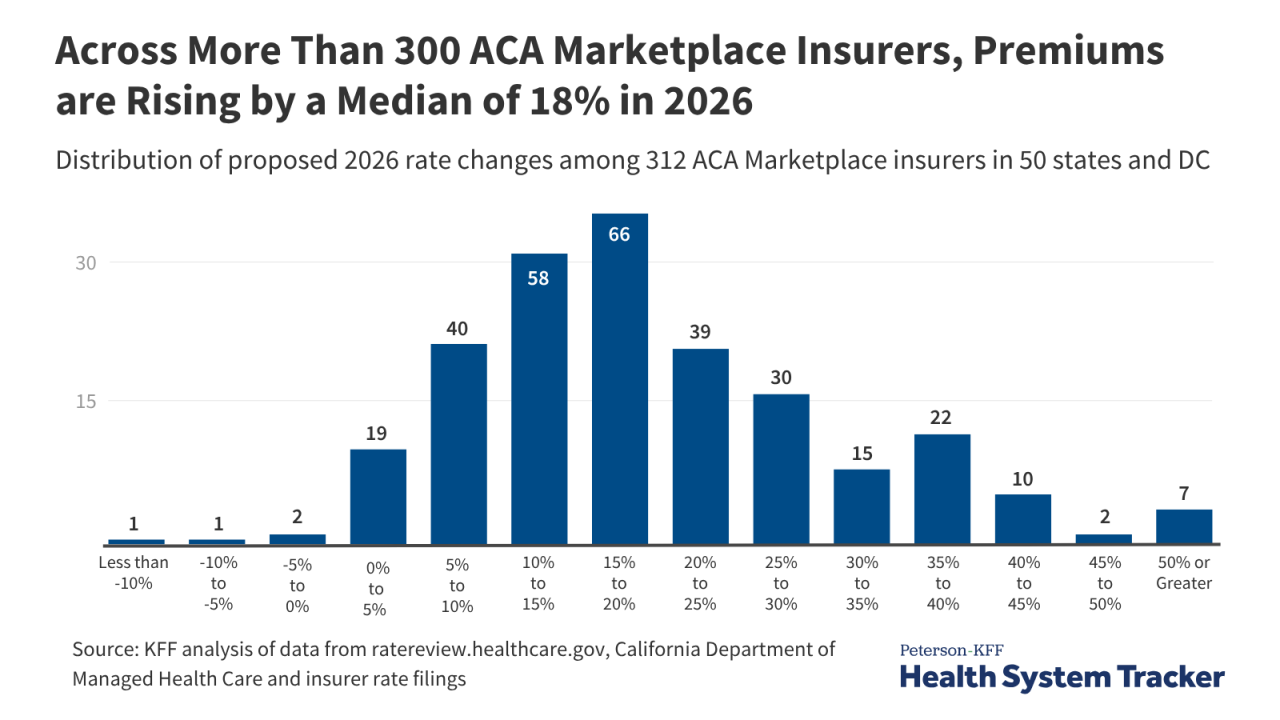
When it comes to health insurance for freelancers, understanding the premiums and costs involved is crucial for making informed decisions. Let’s delve into the factors influencing health insurance premiums, compare costs of different plans, and explore strategies to manage these expenses effectively.
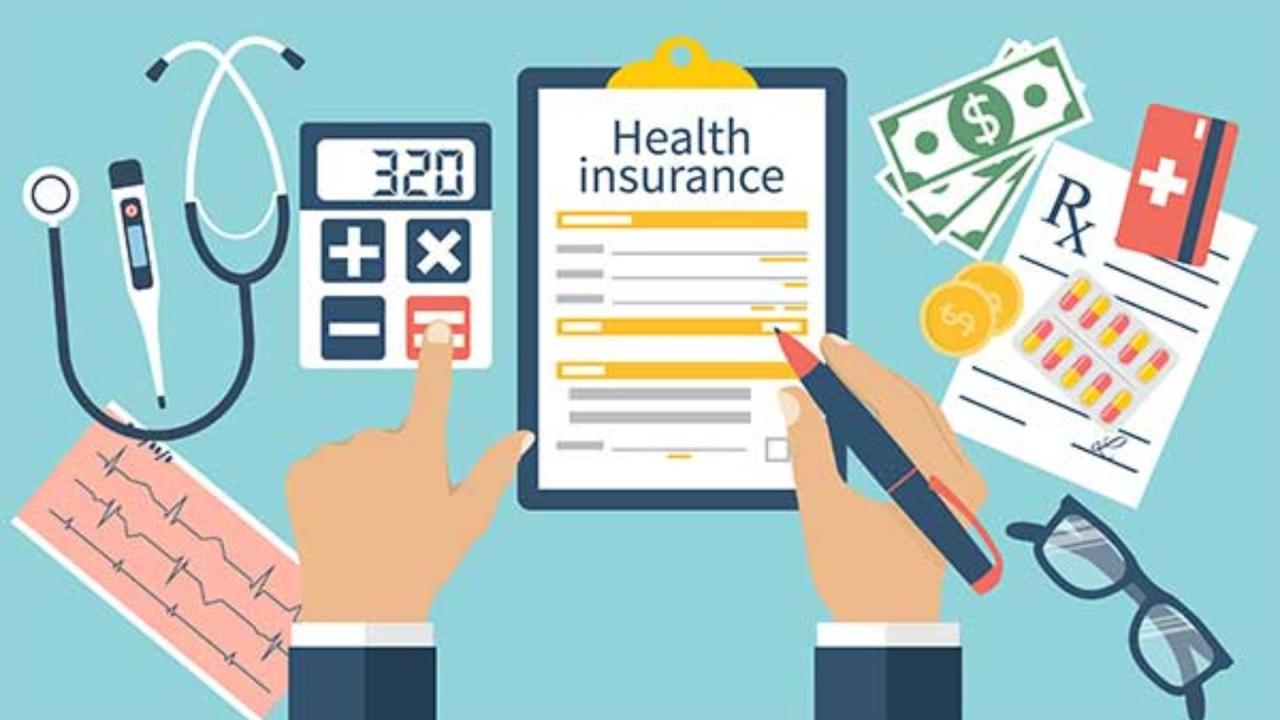
As a freelancer, it’s crucial to have access to reliable resources when it comes to finding the right health insurance plan. Here are some reputable sources and platforms that cater to freelancers’ specific needs:
Health insurance marketplaces like Healthcare.gov and state-based exchanges are great starting points for freelancers to explore different plan options. These platforms allow you to compare plans, check eligibility for subsidies, and enroll in coverage.
Organizations such as Freelancers Union and the Freelancers Insurance Company offer health insurance options tailored to freelancers. They understand the unique challenges faced by independent workers and provide comprehensive coverage options.
Working with insurance brokers or agents who specialize in serving freelancers can also be beneficial. They can help navigate the complex world of health insurance, provide personalized recommendations, and assist in finding the best coverage at competitive rates.
There are several online tools and websites that allow freelancers to compare health insurance plans side by side. Websites like eHealthInsurance and Policygenius provide a user-friendly interface to compare premiums, coverage options, and additional benefits.
What are the key differences between health insurance for freelancers and traditional employer-provided plans?
Health insurance for freelancers is typically self-purchased and offers more flexibility in choosing coverage options, while traditional employer-provided plans have limited customization.
How can freelancers assess their healthcare needs to choose the right coverage?
Freelancers can evaluate their medical history, budget constraints, and anticipated healthcare needs to determine the most suitable coverage for their circumstances.
What factors influence health insurance premiums for freelancers?
Health insurance premiums for freelancers are influenced by age, location, chosen coverage level, and overall health status.
Continue this structure for all FAQs