Health Insurance Excess Explained: How Higher Excess Can Affect Your Premium
Kicking off with Health Insurance Excess Explained: How Higher Excess Can Affect Your Premium, this opening paragraph is designed to captivate and engage the readers, setting the tone casual formal language style that unfolds with each word.
The content of the second paragraph that provides descriptive and clear information about the topic
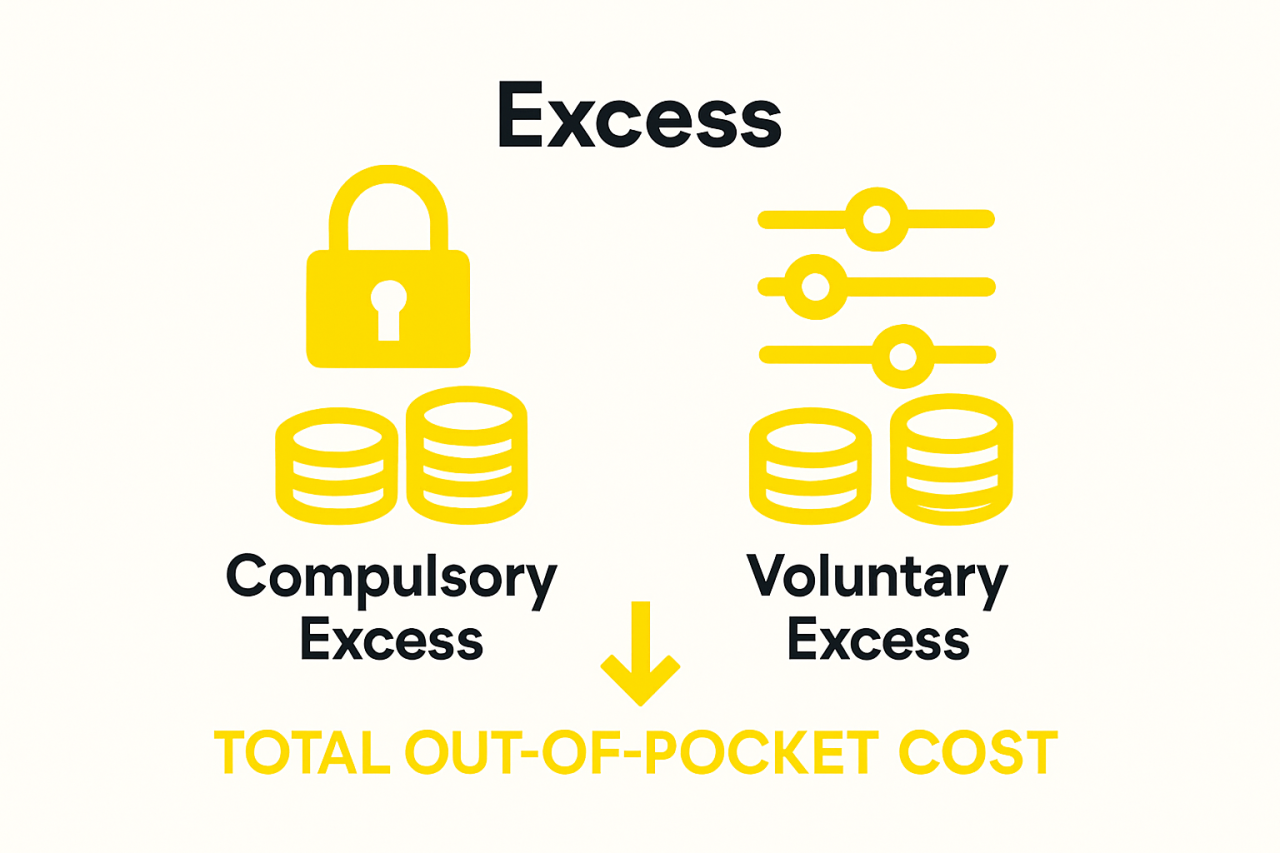
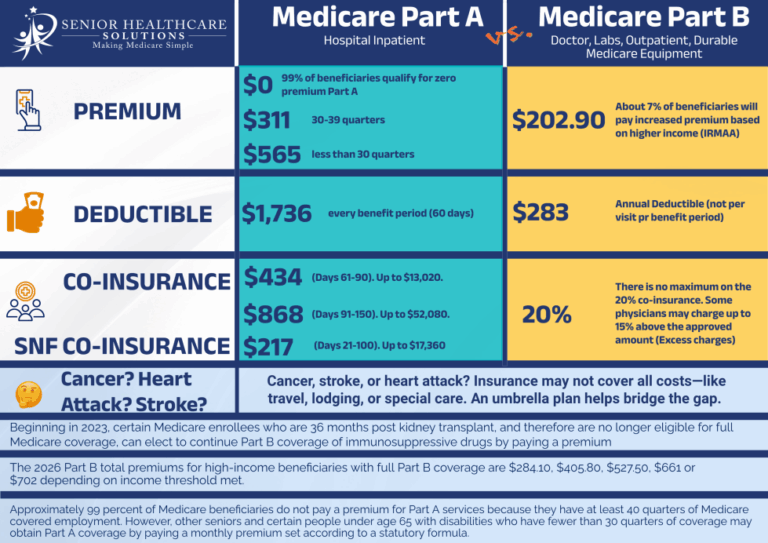
Health insurance excess is the amount of money you agree to pay towards the cost of your medical treatment before your insurance policy kicks in to cover the rest. It is a fixed sum that you are responsible for paying out of pocket.When you make a claim on your health insurance policy, the excess amount will be deducted from the total cost of the treatment before your insurer pays out the remaining balance.
This means that the higher your excess, the more you will have to pay upfront for medical expenses before your insurance coverage begins.

Choosing the right excess amount on your health insurance policy can have a significant impact on your overall premium costs and financial security. Let’s delve into the importance of selecting the appropriate excess level for your individual needs.
When you opt for a higher excess amount on your health insurance policy, you are essentially agreeing to pay a larger sum out of pocket before your insurance coverage kicks in. While this may result in lower monthly premiums, it also means that you will have to cover more of the initial costs for medical services before your insurance provider starts contributing.
This trade-off can be beneficial for individuals who are generally healthy and do not anticipate frequent medical expenses. However, it may not be the best choice for those who require regular medical care or have chronic conditions.
Choosing a higher excess can be advantageous for individuals who want to reduce their monthly premium payments and are confident in their ability to cover the higher out-of-pocket costs if needed. On the other hand, selecting a lower excess amount may result in higher monthly premiums but can provide greater financial protection by limiting the amount you have to pay upfront for medical treatment.
It’s essential to weigh the benefits and drawbacks of each option based on your health status, budget, and risk tolerance.
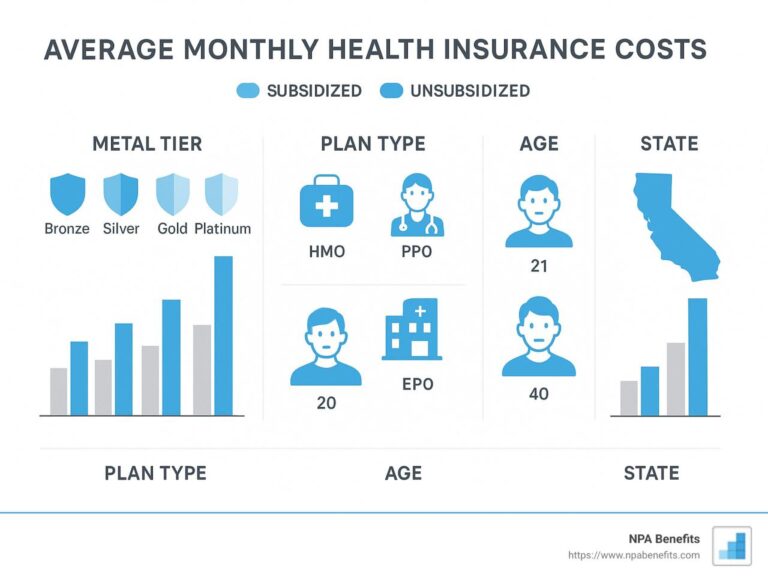
Health insurance premiums are influenced by various factors that can impact the cost of your coverage. Understanding these factors can help you make informed decisions when choosing a health insurance plan.
One of the key factors that influence health insurance premiums is the excess amount you choose. The excess is the portion of any claim that you agree to pay yourself before the insurance company covers the rest. Typically, higher excess amounts lead to lower premiums because you are taking on more of the financial risk.
By opting for a higher excess amount, you can reduce your monthly premium payments, but you will be responsible for paying more out-of-pocket in the event of a claim.
Your lifestyle choices can also impact your health insurance premiums. Factors such as smoking, alcohol consumption, and level of physical activity can affect your overall health and risk of developing certain medical conditions. Insurers may consider these lifestyle factors when calculating your premium, potentially leading to higher costs for riskier behaviors.
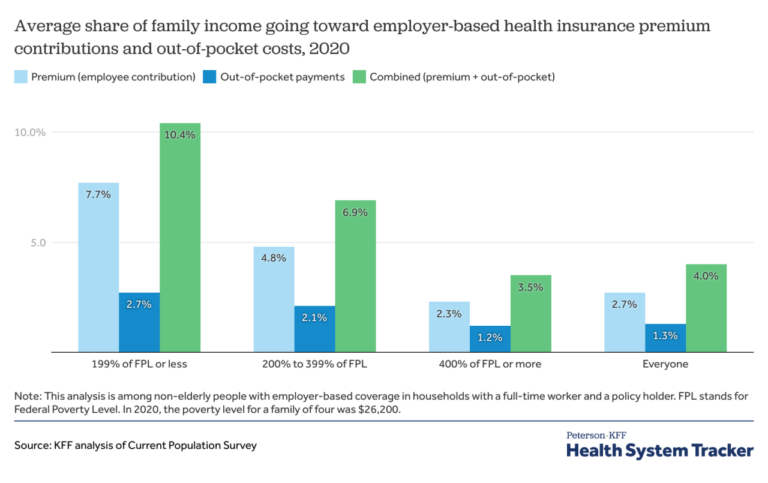
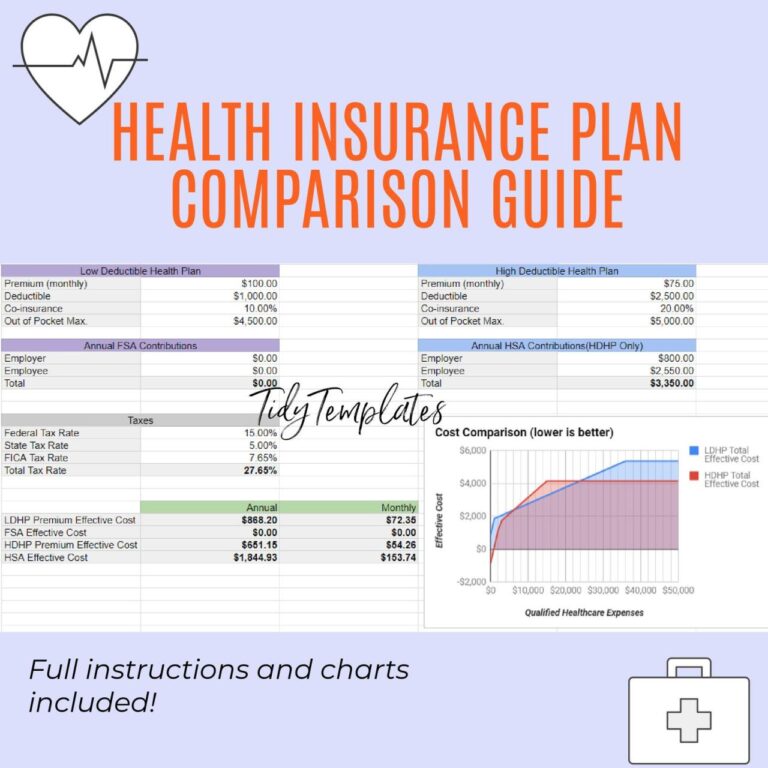
When it comes to managing health insurance costs, choosing the right excess amount can play a crucial role in balancing your premiums and out-of-pocket expenses.
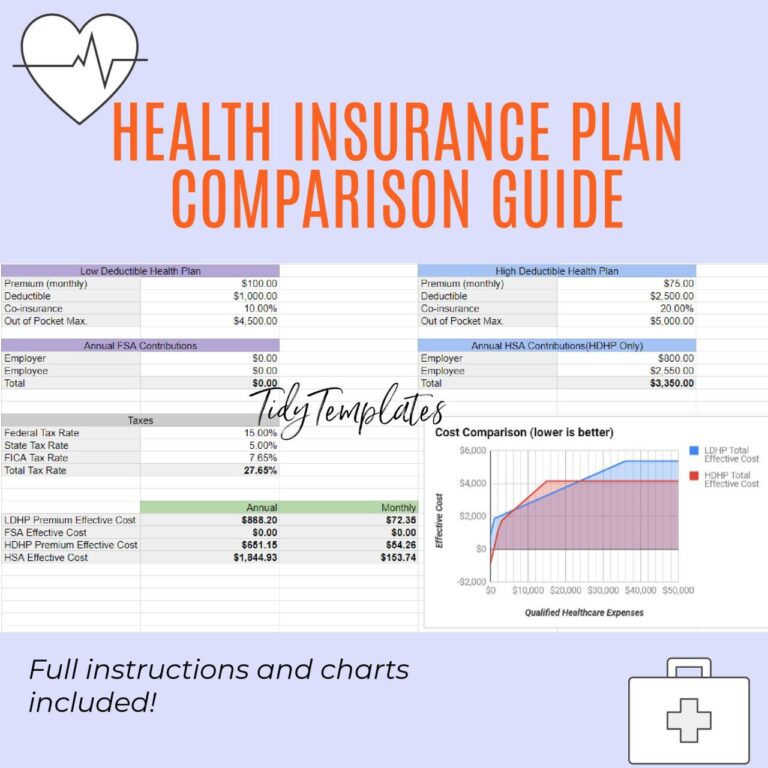
Having a higher excess amount can lower your monthly premiums, but it also means you will have to pay more out-of-pocket before your insurance coverage kicks in. On the other hand, a lower excess amount might result in higher premiums but lower out-of-pocket costs when you need to use your insurance.
It’s essential to strike a balance between excess, premiums, and coverage to ensure cost-effectiveness. Consider your overall health, medical needs, and budget when deciding on the right excess amount. If you rarely visit the doctor and are generally healthy, opting for a higher excess could save you money in the long run.
However, if you have ongoing health issues or anticipate frequent medical expenses, a lower excess might be a better choice despite higher premiums.
What is health insurance excess?
Health insurance excess is the amount you agree to pay towards medical expenses before your insurance coverage kicks in.
How does excess affect insurance premiums?
A higher excess usually leads to lower premiums, while a lower excess results in higher premiums.
What factors influence health insurance premiums?
Factors like age, location, coverage amount, and excess amount can influence health insurance premiums.
How can excess help manage health insurance costs?
Choosing a higher excess can lower your premiums, but you’ll need to pay more out-of-pocket when you make a claim.