Health Insurance Plans for Individuals: Costs, Deductibles, and Coverage Compared
Health Insurance Plans for Individuals: Costs, Deductibles, and Coverage Compared sets the stage for this enthralling narrative, offering readers a glimpse into a story that is rich in detail with casual formal language style and brimming with originality from the outset.
As we delve deeper into the intricacies of individual health insurance plans, we uncover a world of costs, deductibles, and coverage options that play a crucial role in safeguarding our well-being.
Individual health insurance plans are policies purchased by individuals to provide coverage for medical expenses. These plans are designed to protect individuals from high healthcare costs and ensure access to necessary medical services.
Having health insurance coverage is crucial as it helps individuals afford healthcare services when needed without facing financial hardship. It provides a sense of security and peace of mind, knowing that one’s health needs are taken care of.
Individual health insurance plans differ from group plans in terms of flexibility and customization. While group plans are typically offered through an employer and provide coverage for a group of employees, individual plans are purchased by individuals directly from insurance providers.
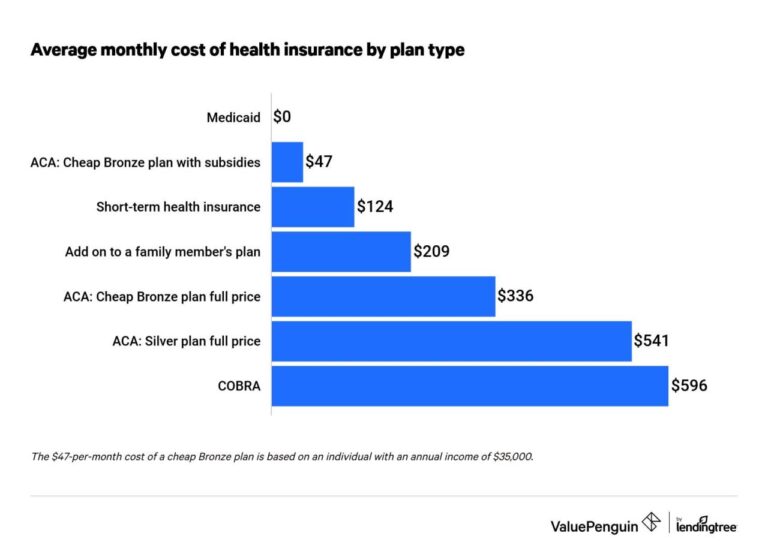
When considering individual health insurance plans, it is essential to understand the various cost components involved. These include premiums, deductibles, copayments, and coinsurance. Each plays a crucial role in determining the overall cost of your healthcare coverage.
The premium is the amount you pay monthly to maintain your health insurance coverage. It is a fixed cost that you must pay regardless of whether you use medical services or not. Premiums can vary based on factors such as age, location, and the level of coverage you choose.
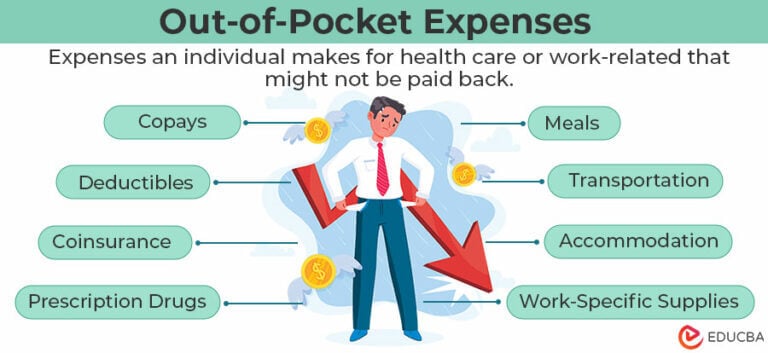
Deductibles refer to the amount you must pay out of pocket for covered medical services before your insurance starts to cover costs. For example, if your plan has a $1,000 deductible, you will need to pay the first $1,000 of covered services before your insurance kicks in.
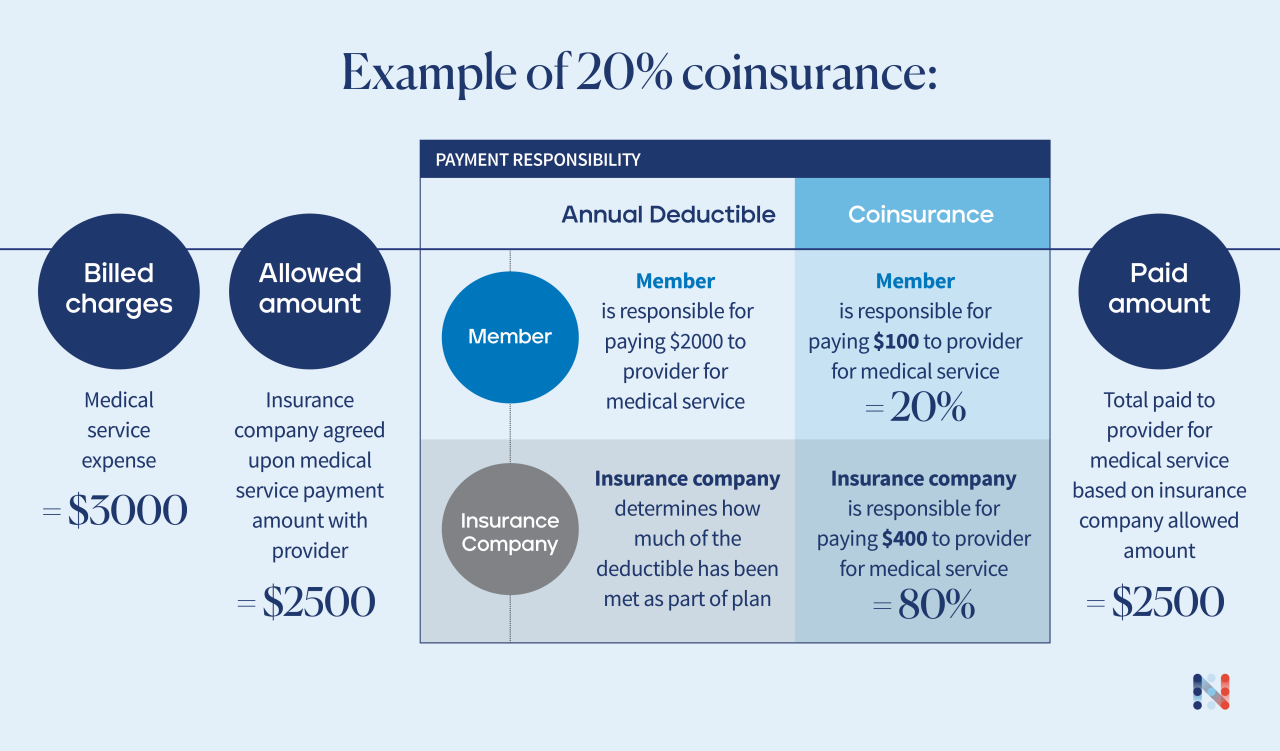
Copayments are fixed amounts you pay for specific services, such as a doctor’s visit or prescription medication. Coinsurance, on the other hand, is a percentage of the cost you are responsible for after meeting your deductible. For instance, if your plan has a 20% coinsurance rate, you would pay 20% of the cost of covered services after meeting your deductible.
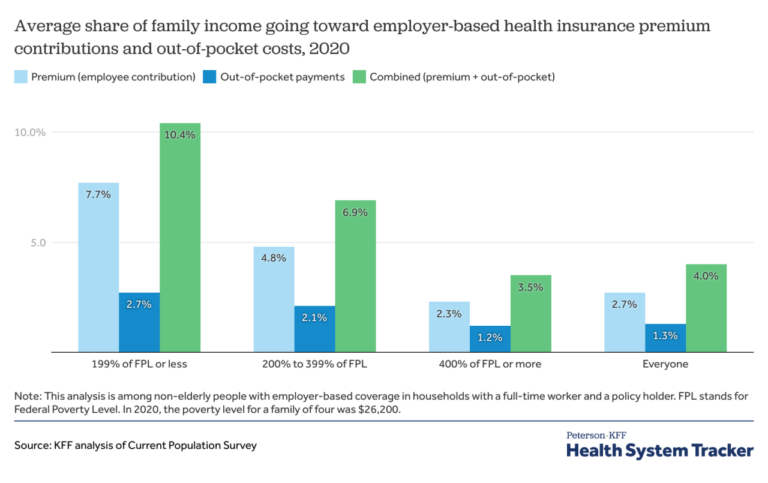
Cost-sharing in individual health insurance plans involves a combination of premiums, deductibles, copayments, and coinsurance. These elements work together to determine how much you will pay for healthcare services and how much your insurance provider will cover. Understanding cost-sharing is crucial in selecting a plan that aligns with your budget and healthcare needs.
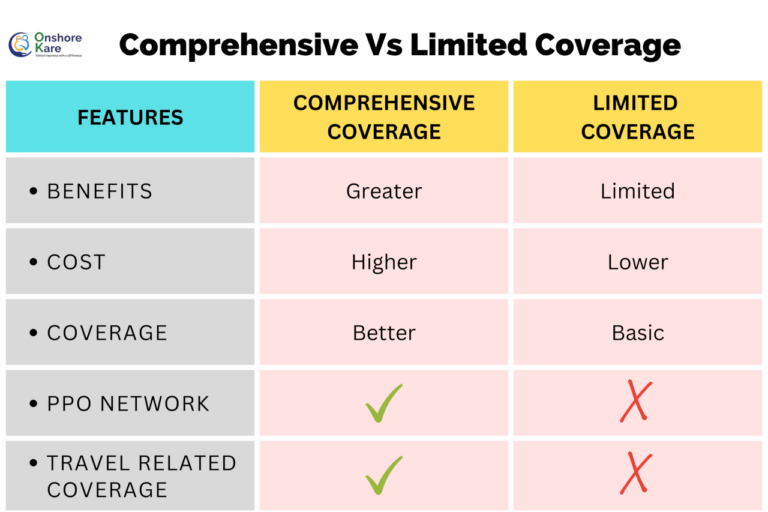
The level of coverage you choose in an individual health insurance plan directly impacts the costs you will incur. Plans with higher coverage levels typically have higher premiums but lower out-of-pocket costs like deductibles and copayments. On the other hand, plans with lower coverage levels may have lower premiums but higher out-of-pocket expenses when you use medical services.
When it comes to individual health insurance plans, deductibles play a crucial role in determining your out-of-pocket costs. Let’s delve into what deductibles are and how they can impact your overall healthcare expenses.
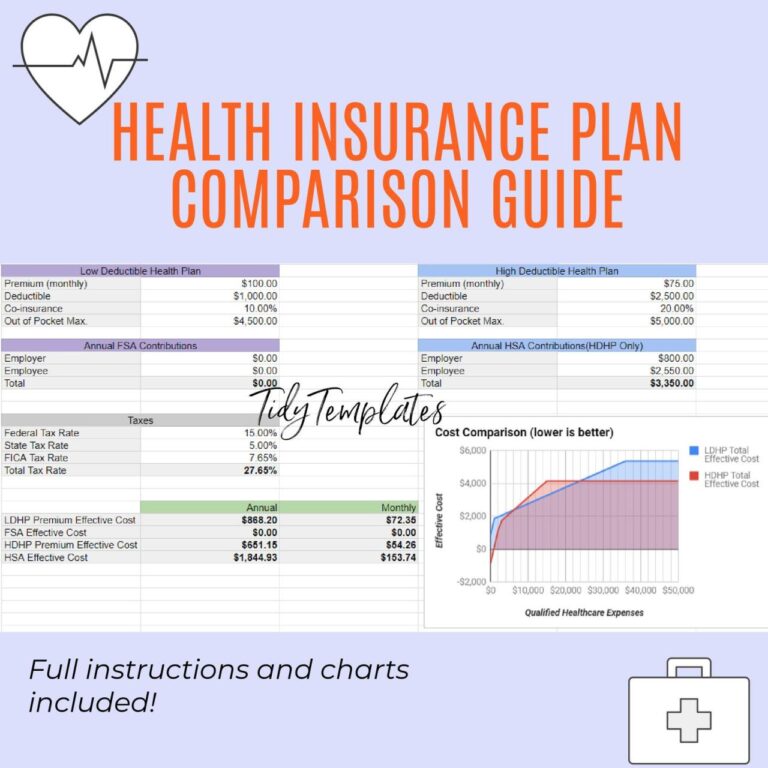
In the world of individual health insurance plans, you’ll often come across high deductible plans and low deductible plans. Here’s a comparison of the two in terms of upfront costs and long-term savings:
When selecting a deductible amount for your individual health insurance plan, it’s essential to consider your individual needs and financial situation. Here are some strategies for choosing the right deductible amount:
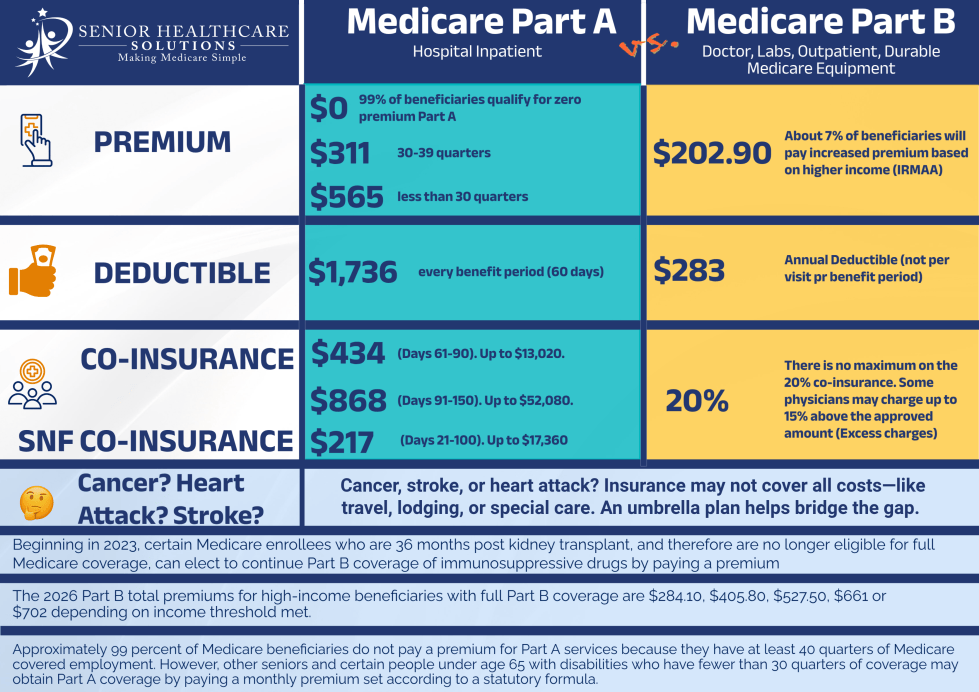
Individual health insurance plans typically offer a range of coverage options to meet the diverse needs of policyholders. Understanding the types of coverage included in these plans can help individuals make informed decisions when selecting the most suitable plan for their health needs.
What factors affect the cost of individual health insurance plans?
The cost of individual health insurance plans can be influenced by factors such as age, location, coverage level, and health status.
How do deductibles work in individual health insurance plans?
Deductibles are the amount you pay out-of-pocket before your insurance kicks in. Higher deductibles typically result in lower premiums, but you’ll pay more when you need care.
What is typically covered in basic individual health insurance plans?
Basic plans usually cover preventive care, doctor visits, and some hospital services. They may have limited coverage for things like prescription drugs or mental health services.