Private Hospital Insurance: Costs, Coverage, and Out-of-Pocket Expenses
Private Hospital Insurance: Costs, Coverage, and Out-of-Pocket Expenses sets the stage for this enthralling narrative, offering readers a glimpse into a story that is rich in detail with a casual formal language style and brimming with originality from the outset.
As we delve deeper, we will explore the intricacies of private hospital insurance, shedding light on its costs, coverage options, and out-of-pocket expenses in a comprehensive manner.
Private hospital insurance refers to a type of health insurance that provides coverage for medical treatment in private hospitals. Unlike public hospital insurance which covers treatment in public hospitals, private hospital insurance offers individuals the option to receive treatment in private facilities, often with shorter waiting times and more personalized care.Having private hospital insurance is important as it gives individuals the flexibility to choose their own doctor, access a private room during hospital stays, and receive treatment in a timely manner.
It can also provide coverage for a wider range of services and treatments compared to public hospital insurance.
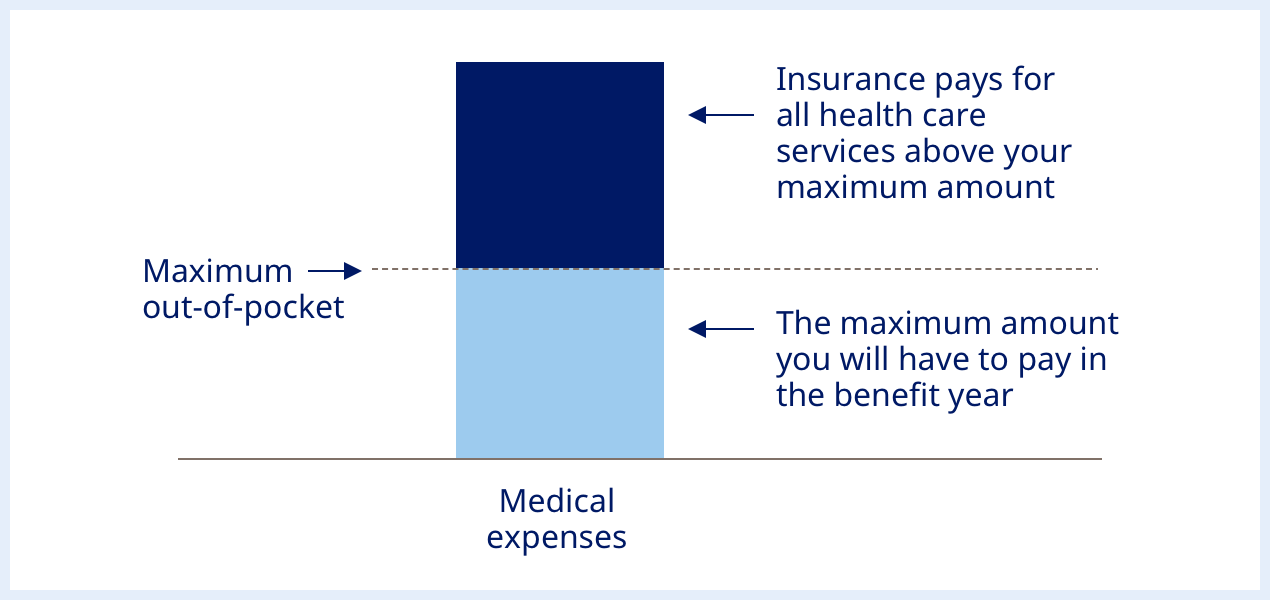
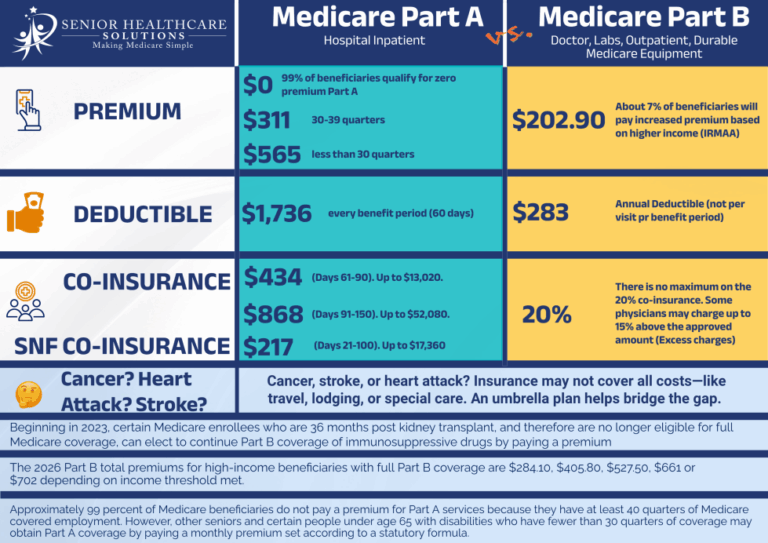
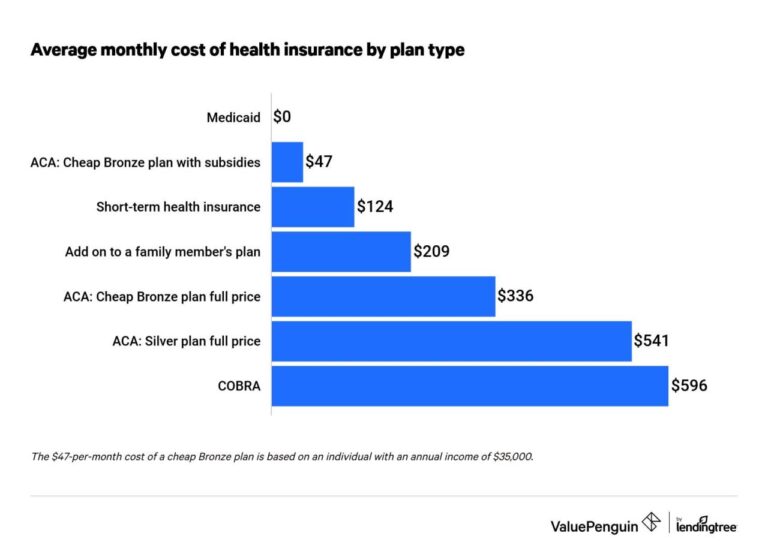
Private hospital insurance comes with various costs that policyholders need to consider. These costs include premiums, deductibles, and copayments. Let’s break down these different costs and compare them to public hospital insurance options.
Premiums are the monthly or annual payments that policyholders make to their insurance provider to maintain coverage. Private hospital insurance premiums are typically higher than those for public hospital insurance due to the broader coverage and additional benefits offered.
Deductibles are the amount policyholders need to pay out of pocket before their insurance coverage kicks in. Private hospital insurance plans often have higher deductibles compared to public hospital insurance plans, but this can result in lower monthly premiums.
Copayments are fixed amounts that policyholders must pay for covered services, such as doctor visits or hospital stays. Private hospital insurance plans may have higher copayments than public hospital insurance plans, but they often provide access to a wider network of healthcare providers.Overall, the costs of private hospital insurance can vary based on coverage levels and the specific benefits included in the plan.
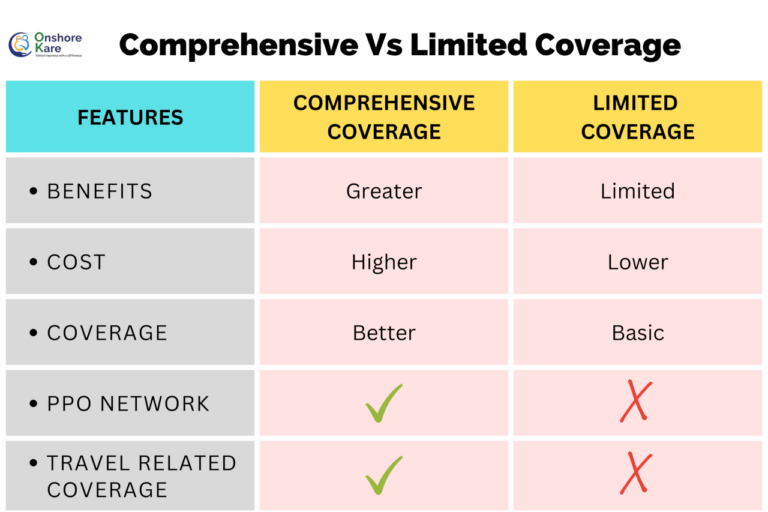
Policyholders can choose from different levels of coverage, ranging from basic to comprehensive, each with its own associated costs. It’s essential to carefully review the details of each plan and consider your healthcare needs to determine the most suitable coverage level for your budget and lifestyle.
Private hospital insurance typically covers a wide range of medical services to ensure comprehensive healthcare protection for policyholders. Understanding the types of services covered, limitations, and flexibility of coverage options is crucial for making informed decisions when choosing a plan.
Private hospital insurance plans often offer various levels of coverage to suit different needs and budgets. Policyholders can choose from options such as:
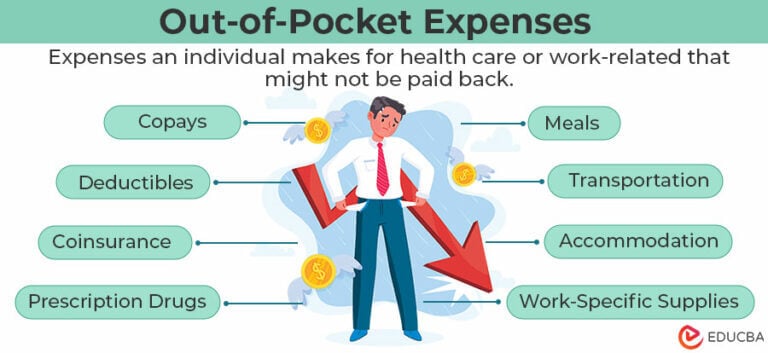
When it comes to private hospital insurance, out-of-pocket expenses refer to the costs that are not covered by the insurance policy and need to be paid by the policyholder directly. These expenses can vary depending on the specific policy and the services received.
What is the waiting period for private hospital insurance coverage to begin?
The waiting period varies among insurers but is typically around 1-2 months for general services and up to 12 months for pre-existing conditions.
Can I choose my own doctor or specialist with private hospital insurance?
Yes, private hospital insurance often allows you to choose your preferred doctor or specialist for treatment within the policy’s coverage network.
Does private hospital insurance cover emergency ambulance services?
Yes, many private hospital insurance plans include coverage for emergency ambulance services to transport you to a hospital in case of a medical emergency.