Hospital Cover vs Comprehensive Health Insurance: Which Option Offers Better Value?
Hospital Cover vs Comprehensive Health Insurance: Which Option Offers Better Value? sets the stage for this enthralling narrative, offering readers a glimpse into a story that is rich in detail and brimming with originality from the outset.
As we delve deeper into the differences between hospital cover and comprehensive health insurance, it becomes evident that the choice between the two options can significantly impact an individual’s healthcare needs and financial considerations.
When it comes to choosing between hospital cover and comprehensive health insurance, it’s essential to understand the key differences between the two options to make an informed decision about which option offers better value for your healthcare needs.Hospital cover typically provides coverage for medical treatment and services received as an inpatient in a hospital.
This can include accommodation, surgery, and other hospital-related expenses. On the other hand, comprehensive health insurance offers a broader range of coverage, including both inpatient and outpatient services, such as doctor visits, prescription medications, preventive care, and more.
When choosing between hospital cover and comprehensive health insurance, there are several key factors individuals should consider to make an informed decision. These factors can greatly impact the value and benefits of each option.
Understanding your own health needs and potential risks is crucial when deciding between hospital cover and comprehensive health insurance. Consider factors such as pre-existing conditions, family medical history, and any ongoing health concerns. Individuals with specific health conditions may benefit more from comprehensive coverage that includes preventative care and specialist consultations.
Your lifestyle, budget, and family considerations can also influence the choice between hospital cover and comprehensive health insurance. If you lead an active lifestyle or have young children, comprehensive health insurance may offer more peace of mind with coverage for a wide range of medical services.
On the other hand, if you are on a tight budget or only require coverage for hospital stays, hospital cover may be a more cost-effective option.

When comparing hospital cover and comprehensive health insurance, it is crucial to understand the extent of coverage provided for various medical services and treatments. Let’s delve into the details to see which option offers better value in terms of coverage.
Hospital cover typically includes coverage for in-patient treatments, surgeries, and hospital accommodation. On the other hand, comprehensive health insurance goes a step further by also covering outpatient treatments, specialist consultations, and preventive care services. This means that comprehensive health insurance provides more comprehensive coverage for medical treatments beyond just hospital stays.
Hospital cover may have limited coverage for outpatient services, while comprehensive health insurance usually includes coverage for consultations with specialists, diagnostic tests, and outpatient treatments. This broader coverage ensures that individuals have access to a wider range of medical services without having to be admitted to a hospital.
In terms of extras such as dental, optical, and alternative therapies, comprehensive health insurance often provides better coverage compared to hospital cover. While hospital cover focuses primarily on hospital-related treatments, comprehensive health insurance extends coverage to additional services that can contribute to overall health and well-being.Overall, when it comes to coverage comparison between hospital cover and comprehensive health insurance, the latter tends to offer more extensive coverage for a variety of medical services beyond just hospital treatments.
It is important for individuals to carefully consider their healthcare needs and preferences when choosing between the two options to ensure they have adequate coverage for their medical requirements.
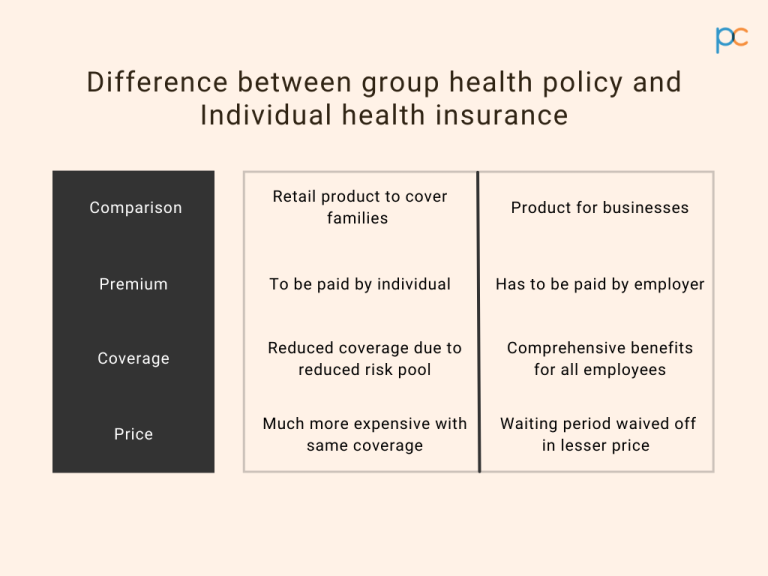
When comparing hospital cover and comprehensive health insurance, it is essential to consider the flexibility and limitations that each option provides. Understanding how each type of insurance works in terms of choosing healthcare providers, treatments, and waiting periods can help individuals make informed decisions about their coverage.
Hospital cover typically allows policyholders to choose their preferred healthcare providers and hospitals within the insurer’s network. This flexibility gives individuals the freedom to select specialists or facilities that best suit their needs without incurring additional costs. In contrast, comprehensive health insurance may offer a wider range of healthcare providers and hospitals, including those outside the insurer’s network, giving policyholders more options for care.
Both hospital cover and comprehensive health insurance may have limitations or restrictions on certain treatments, procedures, or services. Hospital cover is primarily designed to cover inpatient hospital treatments and emergencies, meaning that outpatient services or elective procedures may not be fully covered.
On the other hand, comprehensive health insurance typically offers broader coverage for a wider range of healthcare services, including outpatient care, preventive services, and alternative therapies.
One significant difference between hospital cover and comprehensive health insurance is the waiting periods and exclusions that apply to each. Hospital cover usually has shorter waiting periods for pre-existing conditions and specific treatments, making it a suitable option for individuals seeking immediate coverage for urgent medical needs.
In contrast, comprehensive health insurance may have longer waiting periods for certain services but generally offers more extensive coverage for a broader range of healthcare needs.
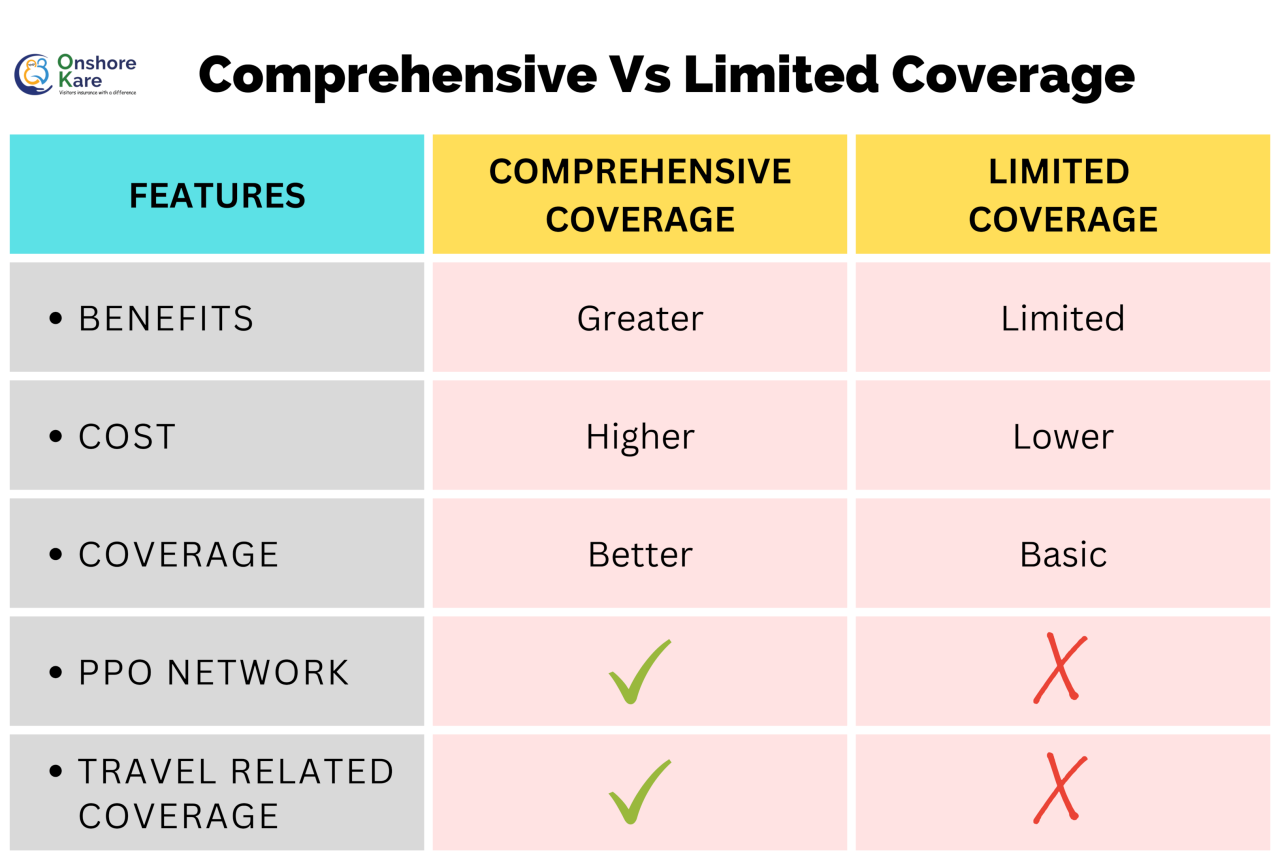
When comparing Hospital Cover to Comprehensive Health Insurance, one of the key factors to consider is the additional benefits that come with each option. Comprehensive health insurance often offers a wider range of perks beyond basic hospital coverage, which can significantly enhance the overall value of the policy.
Comprehensive health insurance plans typically include access to wellness programs aimed at promoting healthy living and preventing illness. These programs may offer discounts on gym memberships, nutrition counseling, or fitness trackers to encourage policyholders to prioritize their well-being. Additionally, comprehensive plans often provide mental health support through access to therapists, counselors, or hotlines for mental health emergencies.
Another valuable feature of comprehensive health insurance is telemedicine services, which allow policyholders to consult with healthcare providers remotely via phone or video call, saving time and increasing convenience.
In terms of emergency assistance services, comprehensive health insurance usually offers more extensive coverage compared to basic Hospital Cover. This can include services such as emergency medical evacuation, repatriation of remains, or assistance with locating medical facilities while traveling. Additionally, comprehensive plans often provide international coverage for medical emergencies that occur outside of the policyholder’s home country.
This can be especially beneficial for individuals who frequently travel for work or leisure, ensuring they have access to quality healthcare no matter where they are in the world.
What is the main difference between hospital cover and comprehensive health insurance?
Hospital cover typically focuses on covering expenses related to hospitalization and inpatient care, while comprehensive health insurance offers a wider range of coverage, including outpatient services and preventive care.
How do individual health needs influence the choice between hospital cover and comprehensive health insurance?
Individual health needs play a crucial role in determining the most suitable insurance option. Those with specific health conditions may benefit more from comprehensive health insurance, while those looking for basic coverage may find hospital cover sufficient.
Are there any limitations on treatments under hospital cover and comprehensive health insurance?
Hospital cover may have restrictions on the choice of healthcare providers and hospitals, while comprehensive health insurance may offer more flexibility in this regard. Additionally, both types of insurance may have waiting periods for certain treatments.
What additional benefits are usually included in comprehensive health insurance compared to hospital cover?
Comprehensive health insurance often includes wellness programs, mental health support, telemedicine services, and emergency assistance, which may not be part of standard hospital cover.