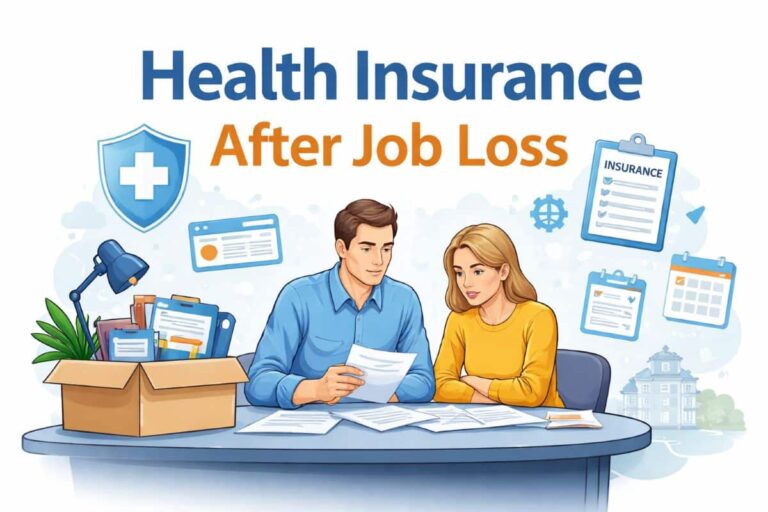
Health Insurance for Contractors: Private Coverage, Premiums, and Tax Considerations
Embarking on the journey of Health Insurance for Contractors: Private Coverage, Premiums, and Tax Considerations, this opening paragraph aims to intrigue and inform the readers with a blend of engaging details and useful insights.
The following paragraph will delve into the specifics of the topic, providing a comprehensive overview.
Private health insurance for contractors refers to insurance plans that individuals working as independent contractors can purchase to cover their medical expenses. Unlike traditional employer-sponsored health insurance, contractors are responsible for obtaining and paying for their own coverage.
When it comes to private health insurance options for contractors, there are various choices available in the market. These options include individual health plans, family health plans, high-deductible health plans, and health savings accounts. Each option has its own set of benefits and coverage levels, allowing contractors to select a plan that best suits their needs and budget.
Opting for private health insurance as a contractor offers several advantages. Contractors have the flexibility to choose a plan that aligns with their specific healthcare needs and preferences. They can also customize their coverage, including selecting their preferred doctors and hospitals.
Additionally, private health insurance provides contractors with peace of mind knowing that they have financial protection in case of unexpected medical emergencies.
Some well-known private health insurance providers catering to contractors include UnitedHealthcare, Cigna, Aetna, Blue Cross Blue Shield, and Humana. These insurance companies offer a range of health insurance plans designed to meet the unique requirements of contractors, ensuring they have access to quality healthcare services when needed.
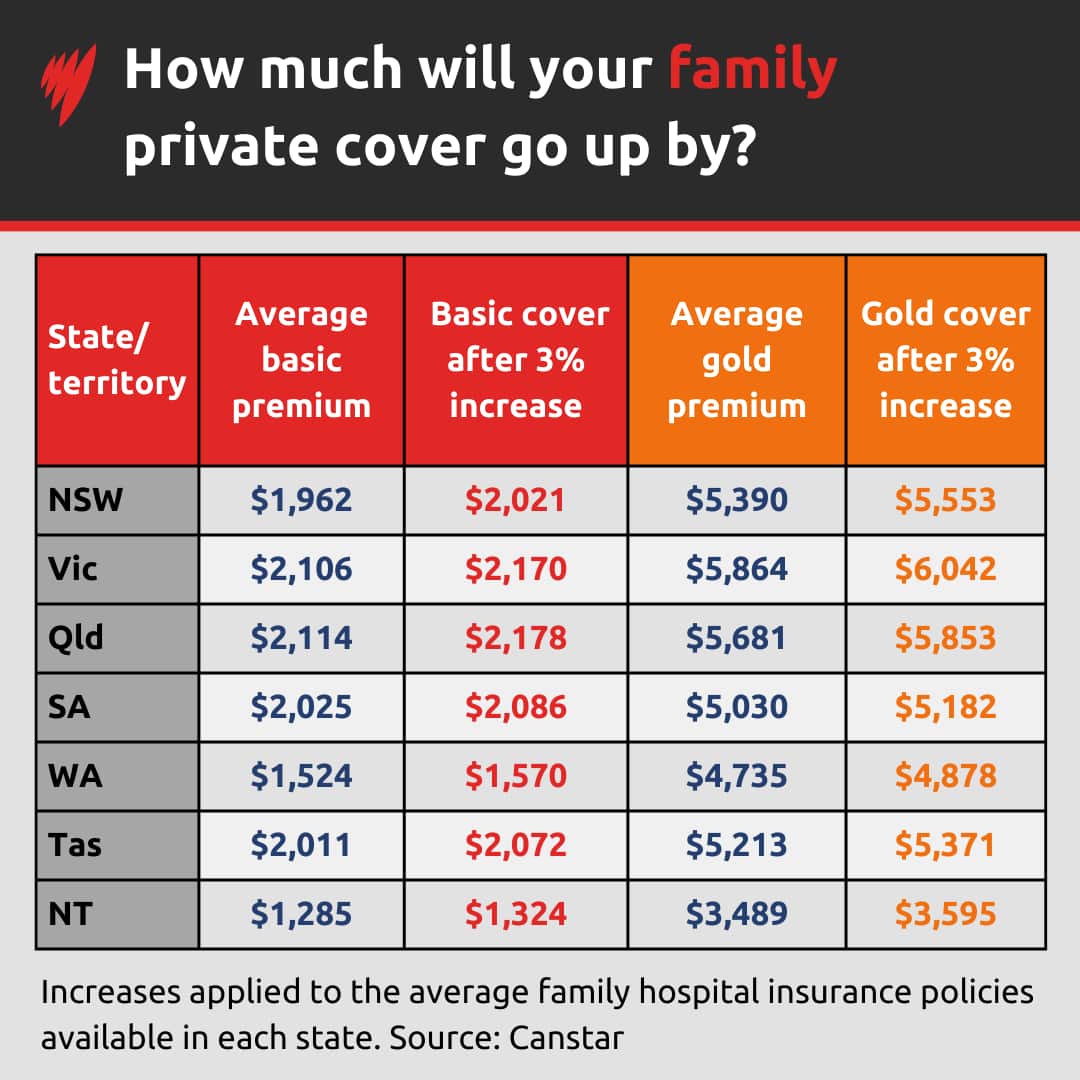
When it comes to health insurance for contractors, understanding premiums and cost considerations is crucial for making informed decisions. Factors such as age, location, plan type, and coverage level can all influence the cost of premiums. By managing and reducing these costs effectively, contractors can secure affordable coverage without compromising on quality.
:max_bytes(150000):strip_icc()/Are-health-insurance-premiums-tax-deductible-4773286_v1-dbe23582da6346498c4596ab0bfa05f2.jpg "Medical Insurance Costs")
When it comes to health insurance for contractors, understanding the tax implications is crucial. Not only can it impact your bottom line, but it can also provide valuable benefits in terms of tax savings.Health insurance premiums for contractors are typically tax-deductible, meaning that you can subtract the cost of your premiums from your taxable income.
This can result in lower overall tax liability, putting more money back in your pocket.
What factors influence health insurance premiums for contractors?
Health insurance premiums for contractors can be influenced by factors such as age, location, coverage level, and health history.
How can contractors manage and reduce health insurance premiums?
Contractors can manage and reduce health insurance premiums by opting for higher deductibles, comparing different plans, utilizing health savings accounts, and maintaining a healthy lifestyle.
What are the tax benefits associated with health insurance for contractors?
Tax benefits for contractors include deductions for premiums paid, tax-free contributions to health savings accounts, and potential tax credits for certain health expenses.
Can contractors deduct health insurance premiums for tax purposes?
Yes, contractors can often deduct health insurance premiums for tax purposes, providing a valuable tax benefit.
What are some cost-effective health insurance plans tailored for contractors?
Some cost-effective health insurance plans tailored for contractors include high-deductible plans, health savings account compatible plans, and specialized contractor health insurance packages.