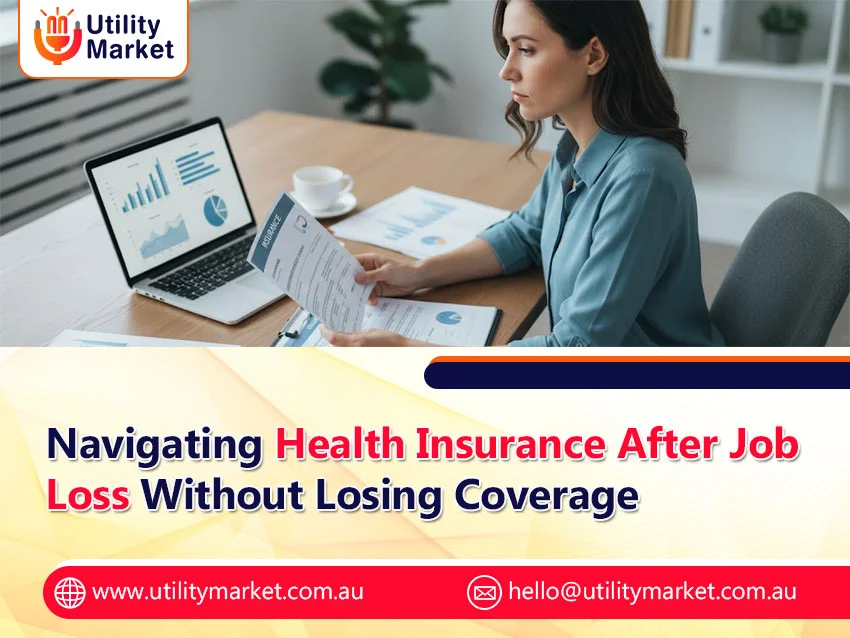
Health Insurance After Losing a Job: Coverage Options and What to Do Next
Navigating the world of health insurance after losing a job can be daunting. From understanding different coverage options to making the right choice, this topic delves into the intricacies of ensuring your health needs are met even during uncertain times.
Exploring the impact of job loss on health insurance and the available alternatives can provide a sense of security and direction in an otherwise challenging situation.
When facing a job loss, one of the most crucial considerations is maintaining health insurance coverage. Health insurance helps protect you from high medical costs and ensures you have access to necessary healthcare services.
Having health insurance coverage is essential for safeguarding your health and finances. It provides access to preventive care, treatments for illnesses or injuries, and financial protection from unexpected medical expenses.
Losing job-based health insurance can leave you vulnerable to high medical costs and lack of access to necessary healthcare services. It is important to explore alternative coverage options promptly to avoid gaps in coverage.
COBRA, which stands for Consolidated Omnibus Budget Reconciliation Act, is a federal law that allows individuals to continue their employer-sponsored health insurance coverage for a limited period after losing their job. This can provide a valuable safety net for individuals and their families during times of transition.
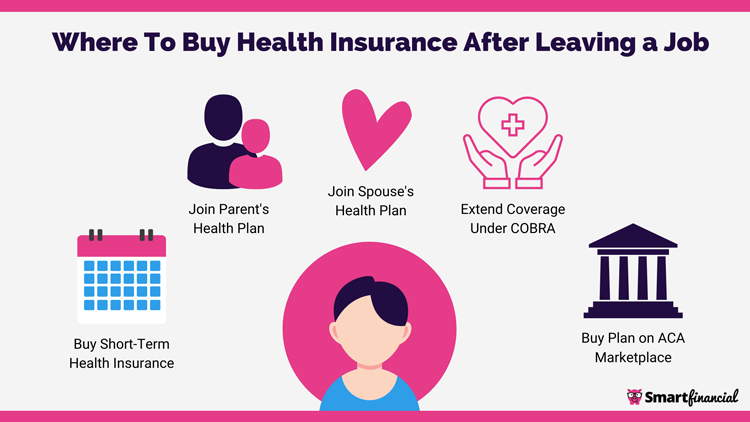
When it comes to enrolling in a marketplace health insurance plan, there are a few key steps to keep in mind. The marketplace, also known as the health insurance exchange, is where you can compare different plans and choose one that best fits your needs.
After losing a job, one of the options for health insurance coverage is Medicaid. This government-sponsored program provides medical coverage to low-income individuals and families who meet specific eligibility criteria.
Short-term health insurance serves as a temporary solution for individuals who are in between coverage or experiencing a gap in insurance due to various reasons, such as job loss. These plans typically provide coverage for a limited period, usually up to 12 months, and can help bridge the gap until a more permanent insurance solution is secured.
What are the eligibility criteria for COBRA coverage?
COBRA coverage is typically available for employees who work for a company with 20 or more employees and have lost their job or experienced a reduction in work hours.
How do I enroll in a marketplace health insurance plan?
You can enroll in a marketplace plan during the open enrollment period or if you qualify for a special enrollment period due to a qualifying life event like losing job-based coverage.
What are the key differences between Medicaid and short-term health insurance?
Medicaid is a government program that provides health coverage to low-income individuals and families, while short-term health insurance is designed as a temporary solution for gaps in coverage.