Health Insurance Claim Denied: Common Reasons and What Policyholders Can Do
Delve into the world of health insurance claim denials to uncover the common reasons behind them and explore the actions policyholders can take. Prepare for a journey filled with insights and practical tips.
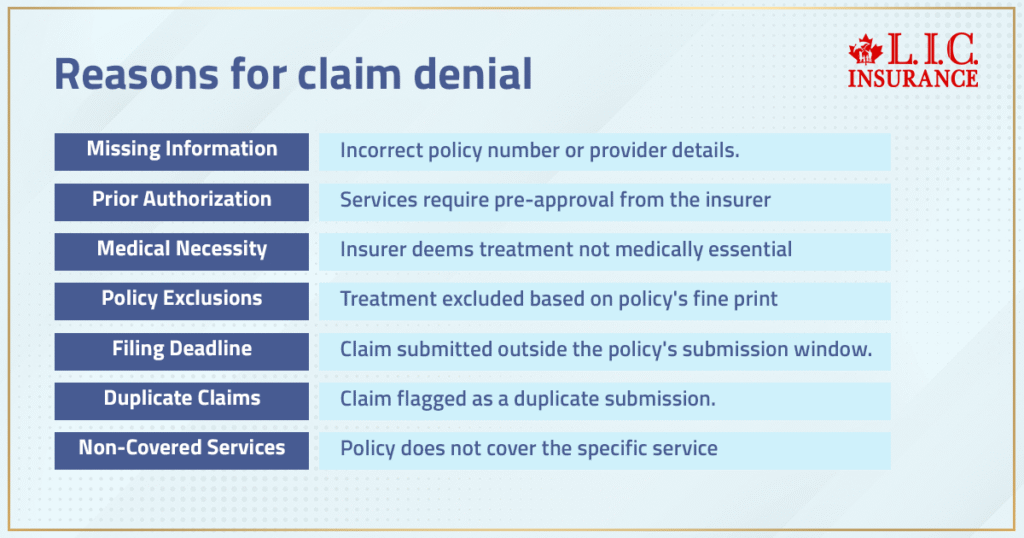
When it comes to health insurance claim denials, there are several common reasons that policyholders should be aware of in order to prevent potential issues. Understanding these reasons can help individuals navigate the claims process more effectively.
For example, if a policyholder undergoes a cosmetic procedure that is not deemed medically necessary, the claim may be denied due to it being a non-covered service.
Pre-authorization is a process where insurance companies review and approve certain medical treatments or procedures before they are performed. This step helps ensure that the service is covered under the policy and reduces the risk of claim denials.By proactively obtaining pre-authorization for planned medical services, policyholders can avoid unnecessary claim rejections and potential financial burdens.
It’s important to follow the insurance company’s guidelines and provide all required information to increase the chances of approval.
When faced with a denied health insurance claim, policyholders should take specific steps to address the situation promptly and effectively.
It is essential to carefully read the denial letter provided by your insurance company to understand the reasons for the denial.
Reach out to your insurance provider to clarify the reasons for the denial and gather additional information if needed.
If you believe your claim was wrongfully denied, you have the right to appeal the decision. Follow the appeals process Artikeld by your insurance company.
Gather any relevant documents, such as medical records or receipts, to support your claim during the appeals process.
If you encounter challenges during the appeals process, consider seeking assistance from a healthcare advocate or legal professional.

When it comes to navigating health insurance policies, it’s essential for policyholders to understand key terms that can significantly impact their claims. Let’s dive into some important terms:
The deductible is the amount of money policyholders must pay out of pocket before their insurance kicks in. For example, if a policy has a $1,000 deductible, the policyholder must pay $1,000 for covered services before the insurance starts covering costs.
A co-pay is a fixed amount that policyholders pay for covered services, such as doctor visits or prescriptions. For instance, a policy might require a $20 co-pay for each doctor visit.
This is the maximum amount of money policyholders are required to pay in a year for covered services. Once this limit is reached, the insurance covers 100% of additional costs. For example, if a policy has a $5,000 out-of-pocket maximum, the policyholder will not have to pay more than $5,000 for covered services in a year.
These are the maximum amounts that an insurance policy will pay for certain services or treatments. For instance, a policy might have a coverage limit of $10,000 for a specific surgery.
There are various types of health insurance policies, each with its own claim processes and coverage options. Let’s take a look at some common types:
When it comes to health insurance claim denials, prevention is key. By following some simple strategies and being proactive, policyholders can avoid common mistakes that often lead to claim rejections. Keeping accurate records and verifying coverage before seeking medical treatment are essential steps to ensure a smooth claims process.
One of the main reasons for health insurance claim denials is incomplete or inaccurate information provided in the claim. Policyholders should maintain detailed records of all medical treatments, prescriptions, and consultations. This includes keeping copies of bills, receipts, and any communication with healthcare providers.
By having organized and comprehensive records, policyholders can easily submit accurate information when filing a claim, reducing the chances of denial.
Before undergoing any medical procedure or treatment, it is crucial to verify coverage with the insurance provider. Policyholders should check if the treatment is covered under their policy, confirm if any pre-authorization is required, and understand any out-of-pocket costs they may incur.
This proactive approach can help prevent claim denials due to non-covered services or lack of pre-authorization.
What should I do if my health insurance claim is denied?
If your claim is denied, you can appeal the decision by following the steps Artikeld in your insurance policy. It’s important to gather all relevant documentation and communicate effectively with your insurance provider.
How can I prevent health insurance claim denials?
To avoid claim denials, ensure you understand your policy, keep detailed records of your medical expenses, and verify coverage before undergoing any treatments or procedures.
What are some common reasons for health insurance claim denials?
Common reasons include lack of pre-authorization, billing errors, and services not covered by your policy. Understanding these reasons can help you navigate the claims process more effectively.