Private Health Insurance Comparison: How to Evaluate Plans, Benefits, and Premiums
Delve into the realm of Private Health Insurance Comparison: How to Evaluate Plans, Benefits, and Premiums, where each plan holds a treasure trove of features waiting to be explored.
Unravel the complexities of private health insurance plans, benefits, and premiums as we navigate through this informative journey.
Private health insurance plans offer individuals the option to receive healthcare coverage through private insurance companies. These plans typically require the payment of monthly premiums in exchange for coverage of medical expenses.
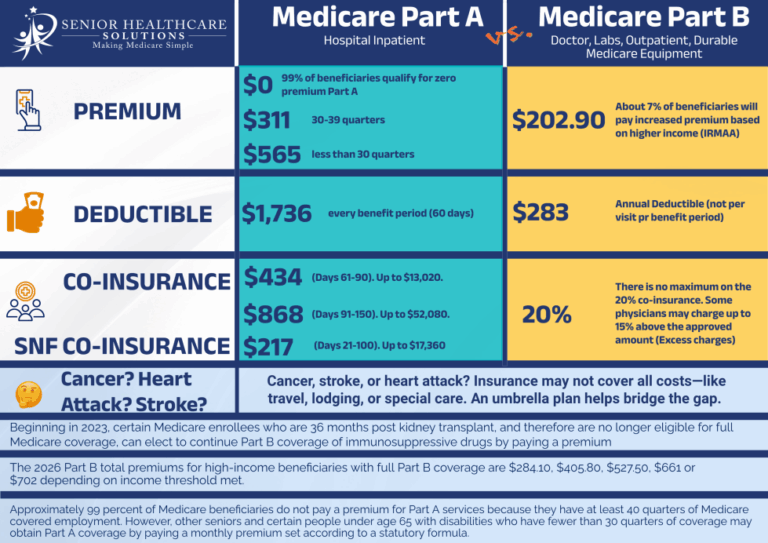
Private health insurance plans differ from public health insurance options like Medicare and Medicaid in that they are purchased from private companies rather than provided by the government. While public health insurance programs are available to certain populations based on eligibility criteria, private health insurance plans are open to anyone who chooses to purchase coverage.
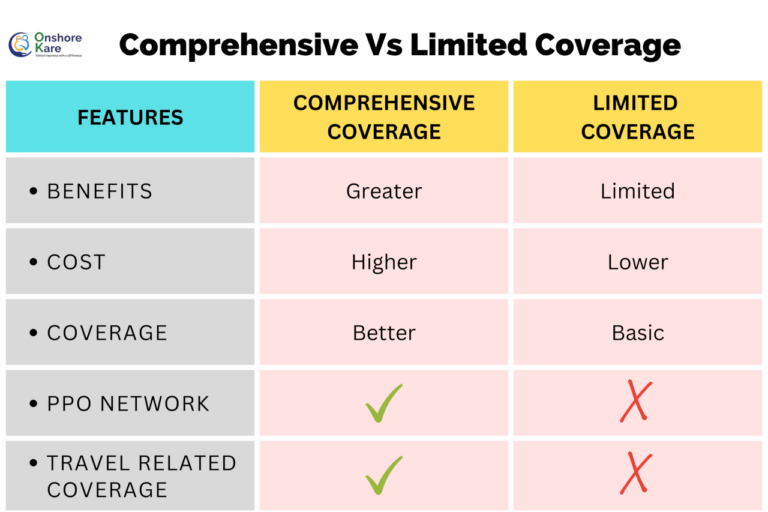
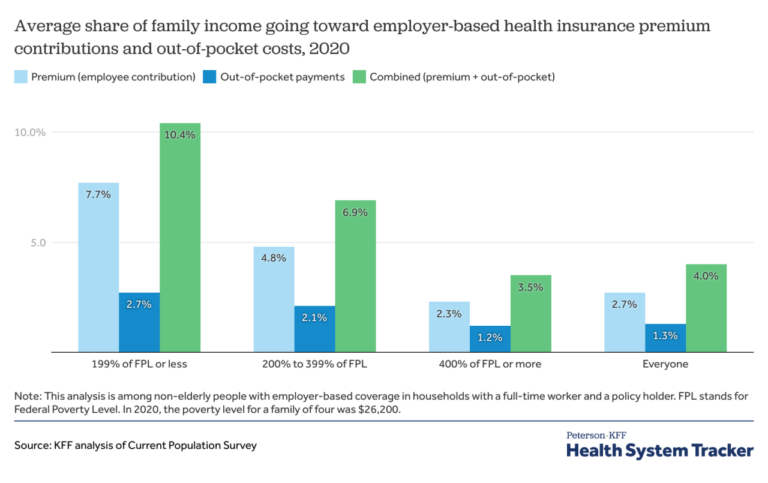
Private health insurance plans often offer more flexibility in terms of coverage options and provider networks, but they may also come with higher premiums and out-of-pocket costs.
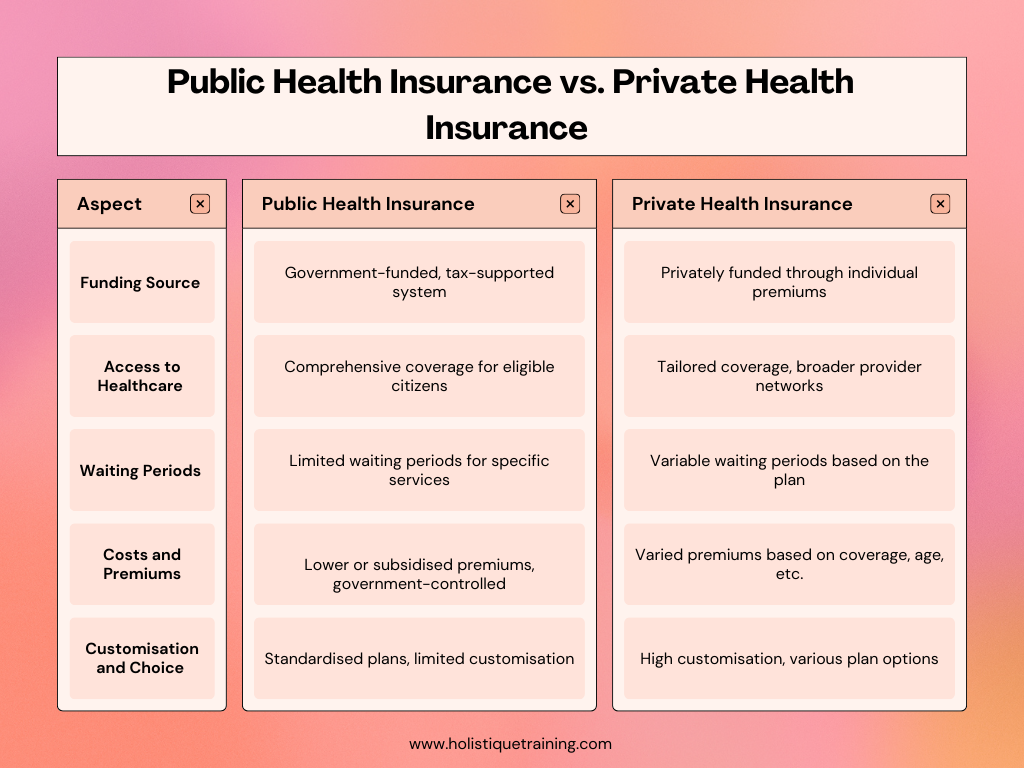
When considering private health insurance plans, it is essential to evaluate the benefits they offer to ensure they meet your specific healthcare needs. Understanding the benefits included in a plan can help you determine its suitability and value for you and your family.
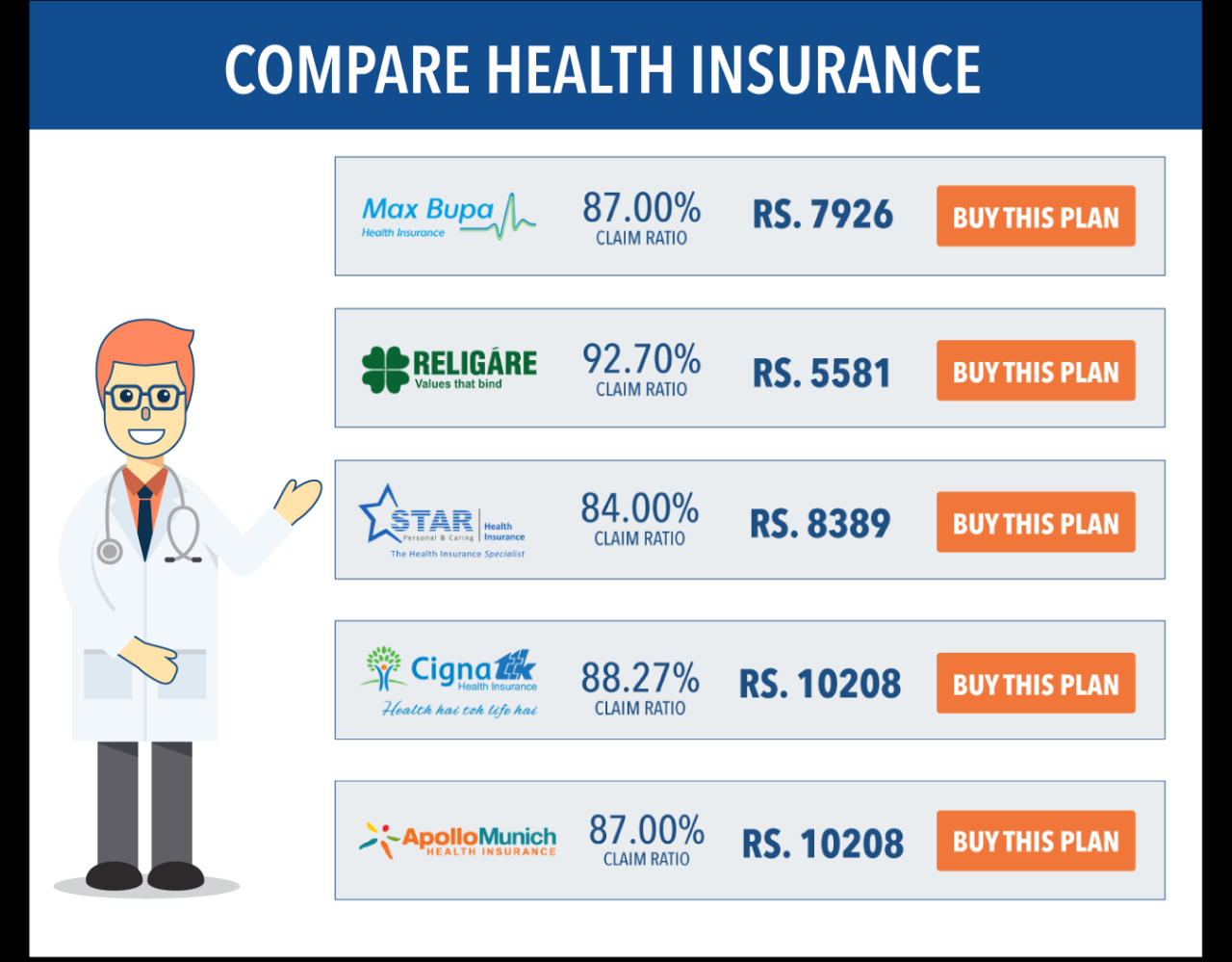
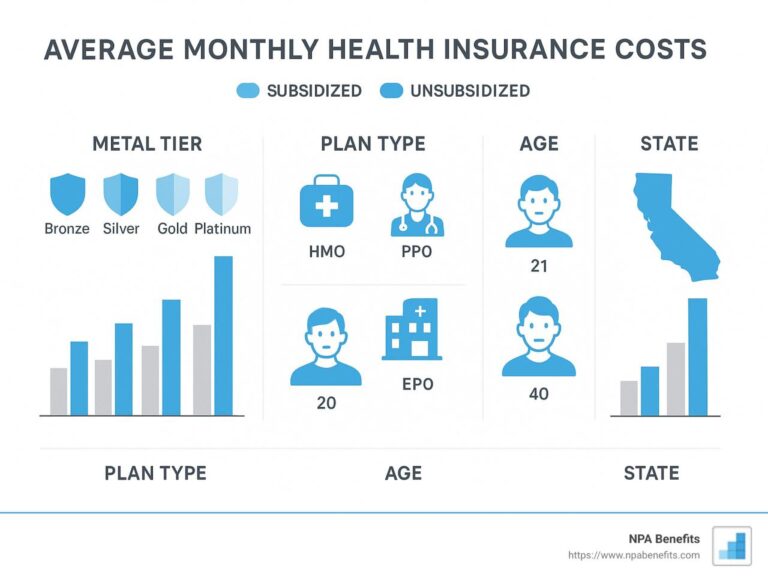
When it comes to private health insurance, understanding how premiums are calculated and assessing the costs involved is crucial in making an informed decision. Premiums are the amount of money you pay to the insurance company in exchange for coverage.
It’s important to know how these premiums are determined and what factors can influence their costs.
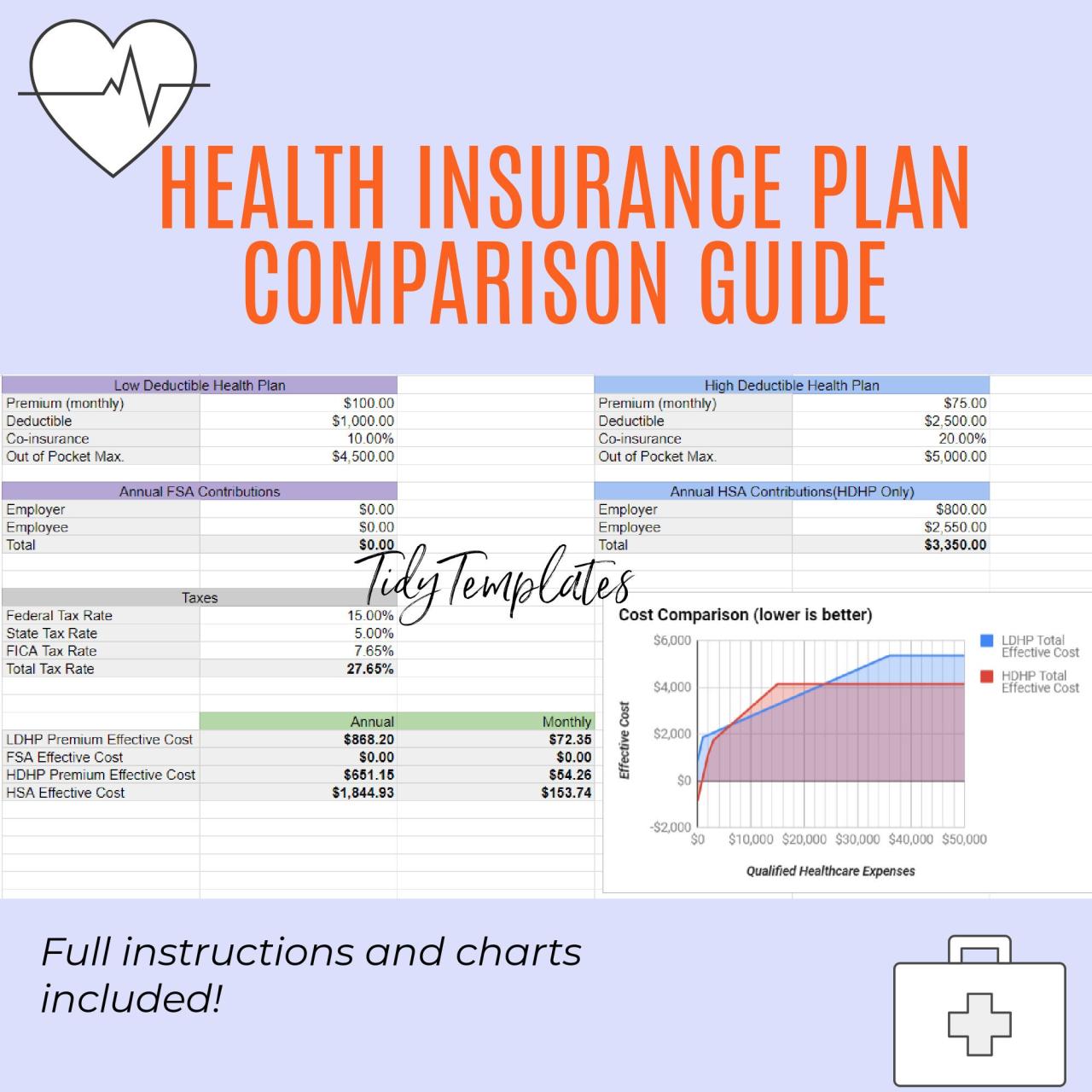
When evaluating different private health insurance plans, comparing coverage options is crucial to ensure you choose a plan that meets your specific healthcare needs. This involves analyzing the extent of coverage provided by each plan and understanding any limitations or exclusions that may apply.
When it comes to private health insurance, understanding the policy terms and conditions is crucial for making informed decisions about coverage. By familiarizing yourself with common terms and conditions, you can ensure that you are getting the most out of your health insurance plan.:Policy terms and conditions are the specific details of what is covered and excluded under your private health insurance plan.
These details Artikel the benefits, limitations, and rules of your coverage, helping you navigate the complexities of your policy.
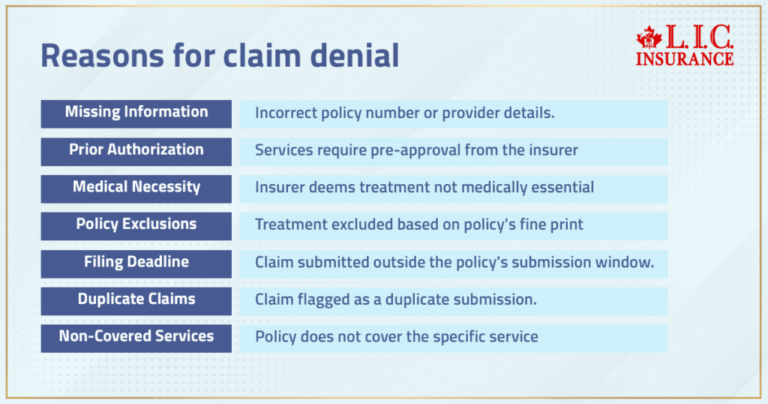
Policy documents can be overwhelming with legal jargon, but it’s essential to review them carefully to understand the specifics of your coverage. Look for sections detailing what is covered, excluded services, limitations, and any restrictions on coverage.
How do private health insurance plans differ from public health insurance options?
Private health insurance plans are typically more customizable and offer a wider range of coverage options compared to public health insurance.
What factors can influence premium costs in private health insurance?
Factors such as age, location, coverage level, and health history can impact premium costs in private health insurance.
Why is it important to consider network providers when comparing coverage options?
Considering network providers ensures that you have access to preferred doctors, specialists, and healthcare facilities within the plan’s network, reducing out-of-pocket costs.