Family Health Insurance Cost: Premiums, Coverage, and Ways to Reduce Expenses
With Family Health Insurance Cost: Premiums, Coverage, and Ways to Reduce Expenses at the forefront, this paragraph opens a window to an amazing start and intrigue, inviting readers to embark on a storytelling filled with unexpected twists and insights.
The content of the second paragraph that provides descriptive and clear information about the topic
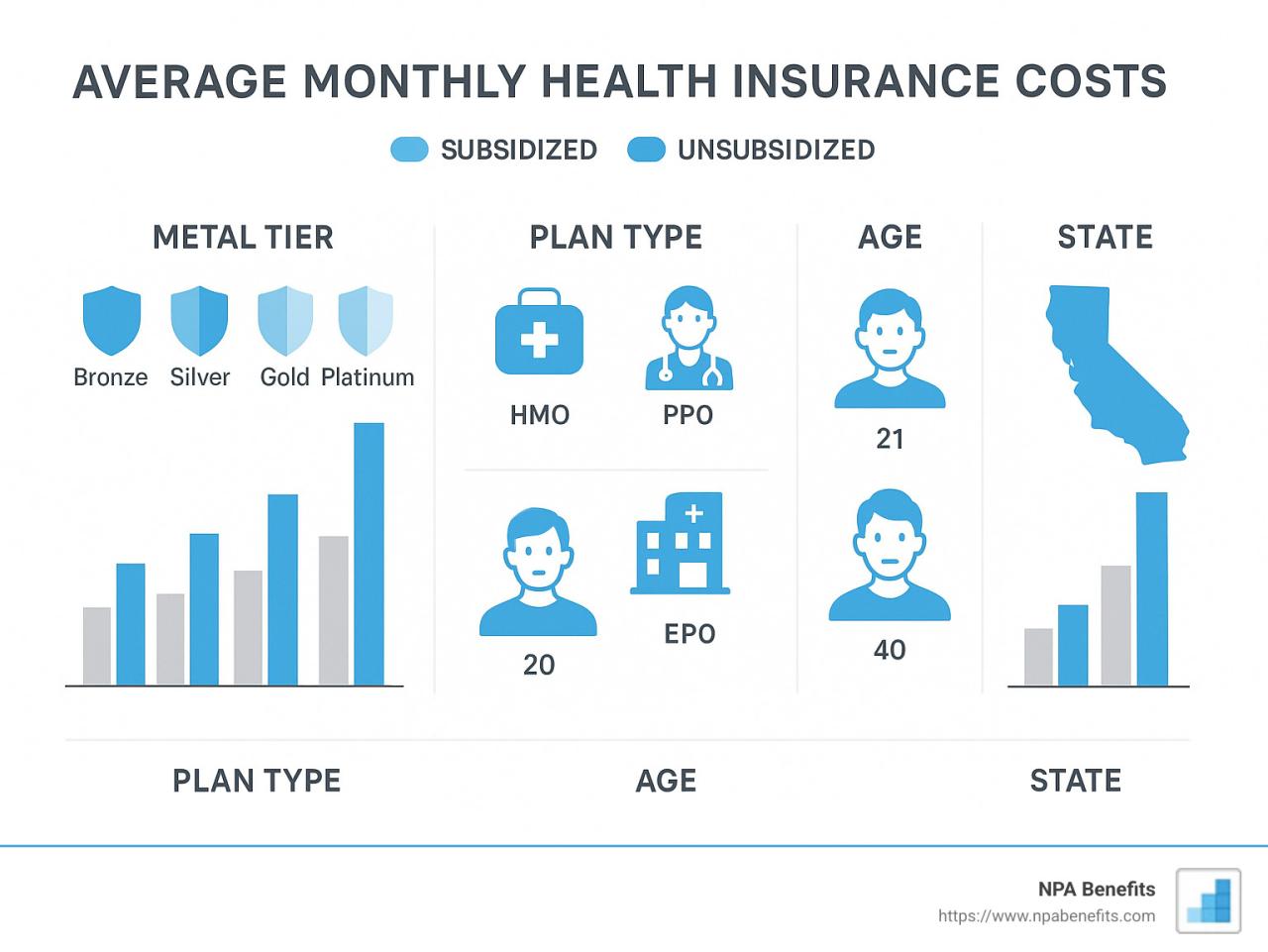
When it comes to family health insurance premiums, there are several key factors that can influence the cost. Factors such as age, location, family size, pre-existing conditions, lifestyle choices, deductibles, and copayments all play a role in determining how much you will pay for health insurance coverage.
As a general rule, the older you are, the higher your health insurance premiums will be. This is because older individuals typically require more medical care and are more likely to have chronic health conditions that require ongoing treatment.
Where you live can also impact your health insurance premiums. Urban areas tend to have higher healthcare costs, which can result in higher insurance premiums compared to rural areas. Additionally, some states have higher healthcare costs overall, leading to higher premiums for residents.
The size of your family will also affect your health insurance premiums. The more family members you need to cover, the higher your premiums are likely to be. This is because more people mean a higher likelihood of someone needing medical care.
Having pre-existing conditions can significantly impact your health insurance premiums. Insurance companies may charge higher premiums or exclude coverage for certain conditions if they are deemed high-risk. This can make health insurance more expensive for families with members who have pre-existing conditions.
Certain lifestyle choices can influence your health insurance premiums. For example, smokers are often charged higher premiums due to the increased health risks associated with smoking. Maintaining a healthy lifestyle through regular exercise and a balanced diet can help lower insurance costs.
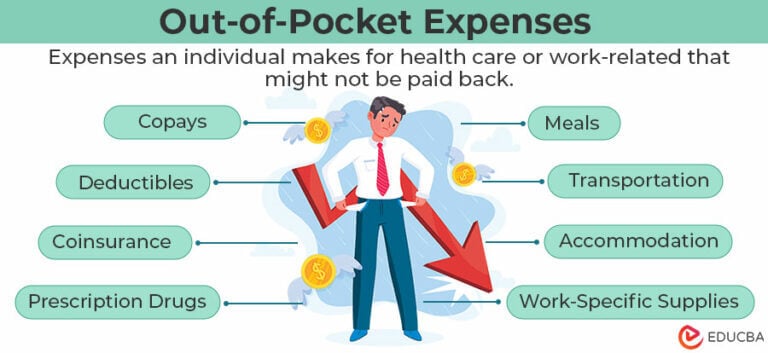
Deductibles and copayments play a crucial role in determining health insurance premiums. A higher deductible means lower premiums but higher out-of-pocket costs when you need medical care. On the other hand, lower deductibles typically result in higher premiums but lower out-of-pocket expenses at the time of treatment.
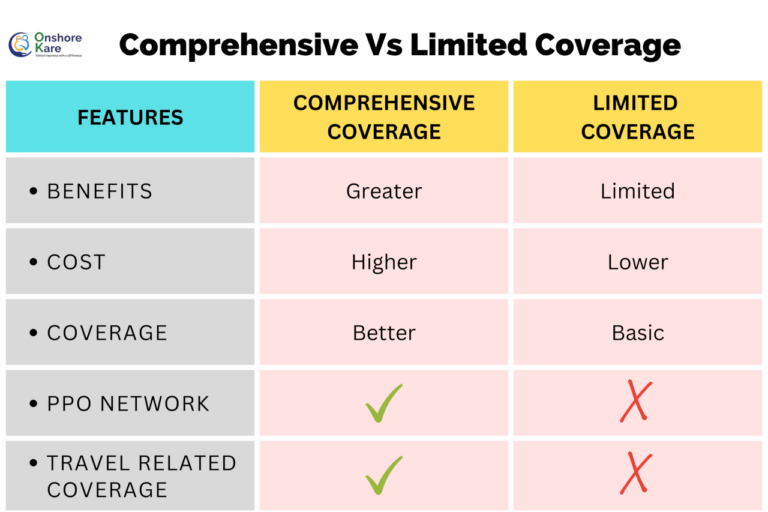
When considering family health insurance plans, it’s crucial to understand the different types of coverage available to ensure that your family’s healthcare needs are met. Here, we will delve into various aspects of coverage options to help you make an informed decision.
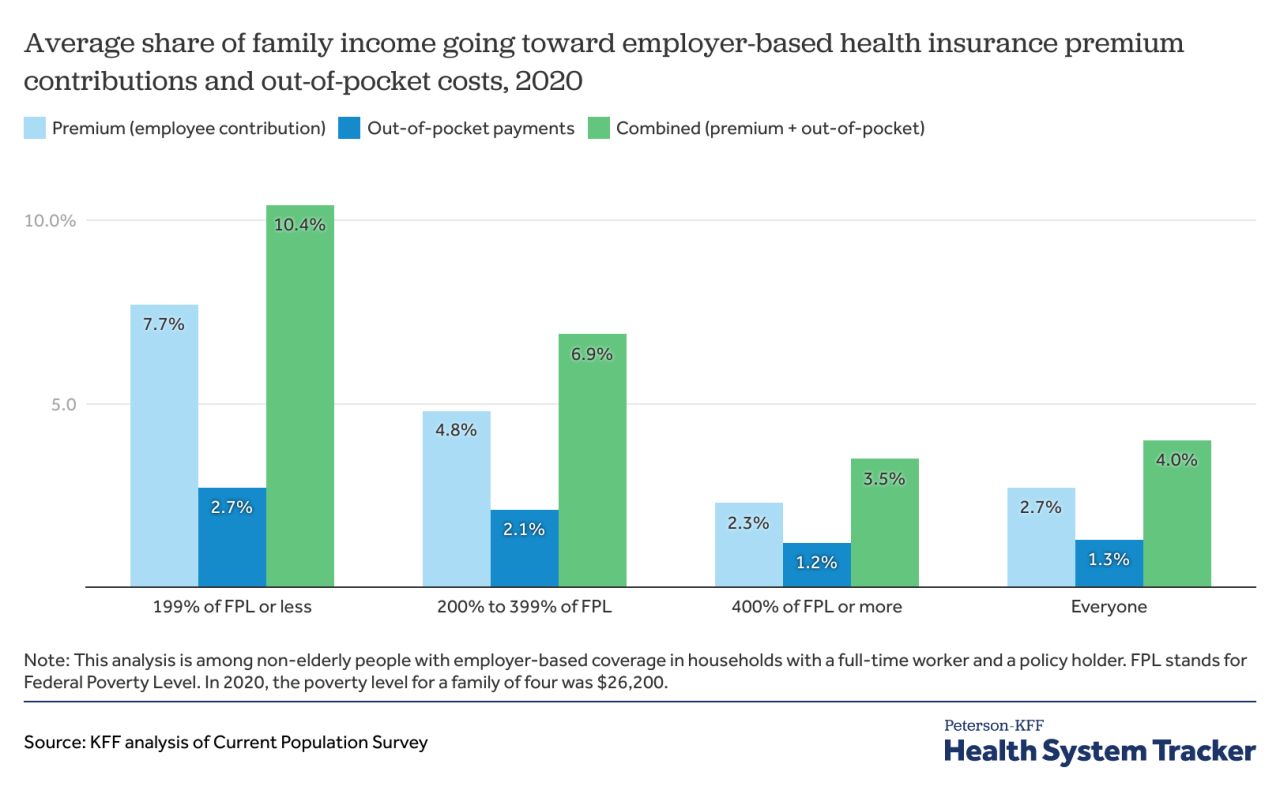
When it comes to managing family health insurance costs, there are several strategies you can consider to reduce your expenses and save money in the long run.
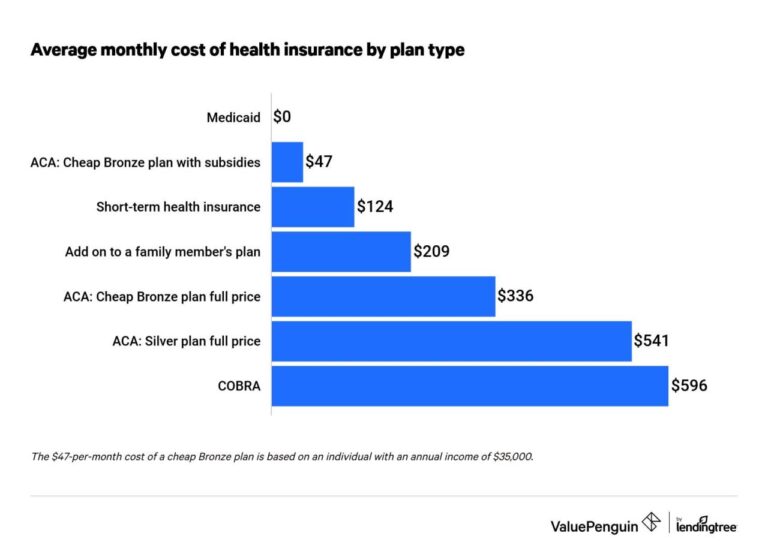
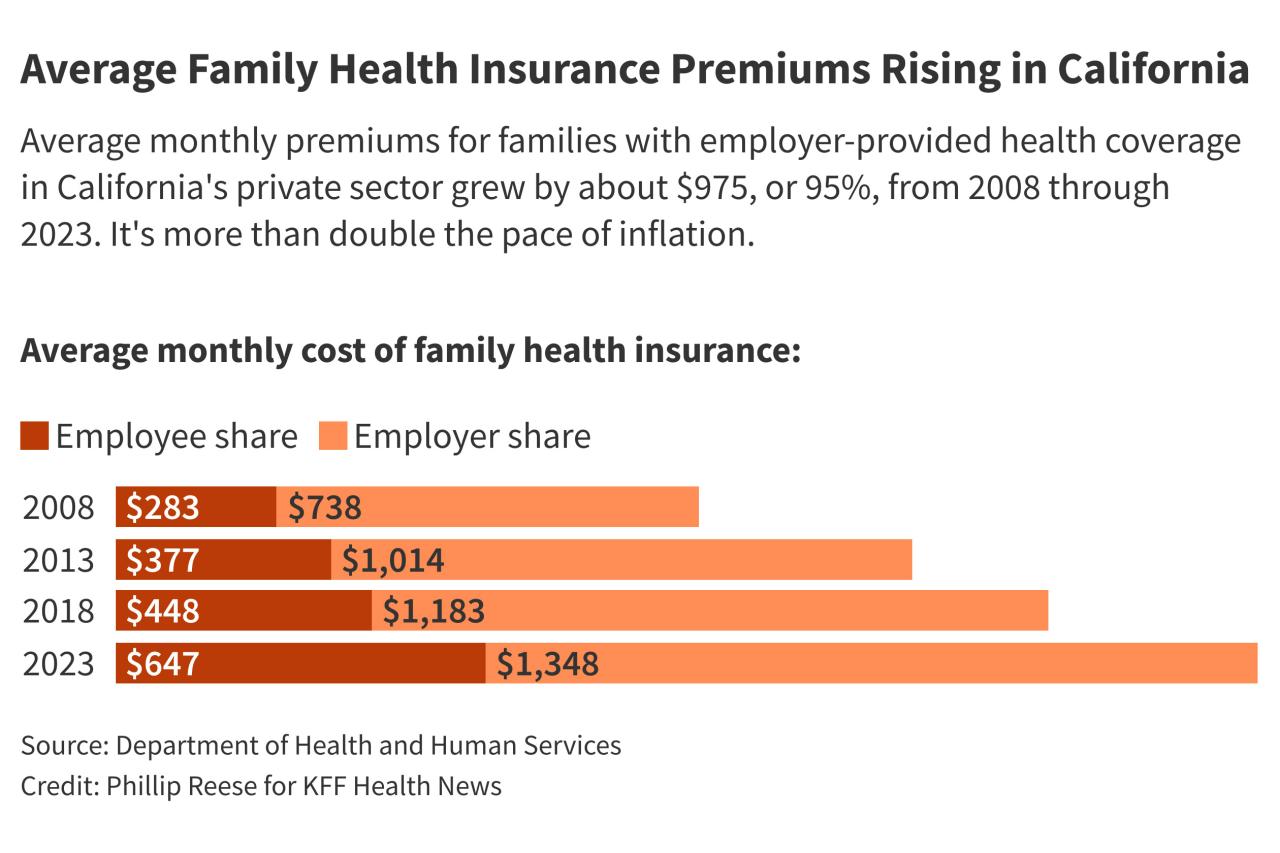
Government subsidies and employer-sponsored health insurance plans can offer significant cost savings for families. These options often provide access to more affordable premiums and comprehensive coverage. By taking advantage of these programs, you can lower your out-of-pocket expenses and ensure that your family has access to quality healthcare services.
Health savings accounts (HSAs) and flexible spending accounts (FSAs) are valuable tools that can help reduce out-of-pocket costs associated with healthcare expenses. HSAs allow you to save money tax-free for medical expenses, while FSAs enable you to set aside pre-tax funds for medical costs.
By utilizing these accounts, you can minimize the financial burden of healthcare and effectively manage your family’s healthcare expenses.
Another effective strategy for reducing family health insurance expenses is to negotiate with insurance providers for better rates or explore healthcare cost-sharing programs. By actively engaging with your insurance company and seeking alternative cost-sharing options, you may be able to secure lower premiums and more affordable coverage for your family.
It’s essential to advocate for the best possible terms and take advantage of available resources to ensure that your family’s healthcare needs are met without breaking the bank.
What factors affect family health insurance premiums?
Factors like age, location, family size, pre-existing conditions, and lifestyle choices impact insurance costs. Deductibles and copayments also play a role in determining premium amounts.
What types of coverage are available in family health insurance plans?
Coverage includes preventive care, prescription drugs, maternity care, and mental health services. HMOs, PPOs, and high-deductible health plans are common options. Understanding network coverage and out-of-network costs is crucial.
How can families reduce health insurance expenses?
Ways to save include exploring government subsidies, employer-sponsored plans, and utilizing health savings accounts (HSAs) and flexible spending accounts (FSAs). Negotiating with insurance providers and healthcare cost-sharing programs are also effective strategies.